Burning żur in Zielona Wieś
The burning of żur is a custom that takes place in Hazy/Chazy on Holy Thursday. Every year, on this day, a reenactment of the ancient custom takes place in one of the region's towns, based on a script developed by the "Wiesieloki" group in the 1980s. The spectacle is accompanied by folkloric music, bagpipe music, songs, and dances.
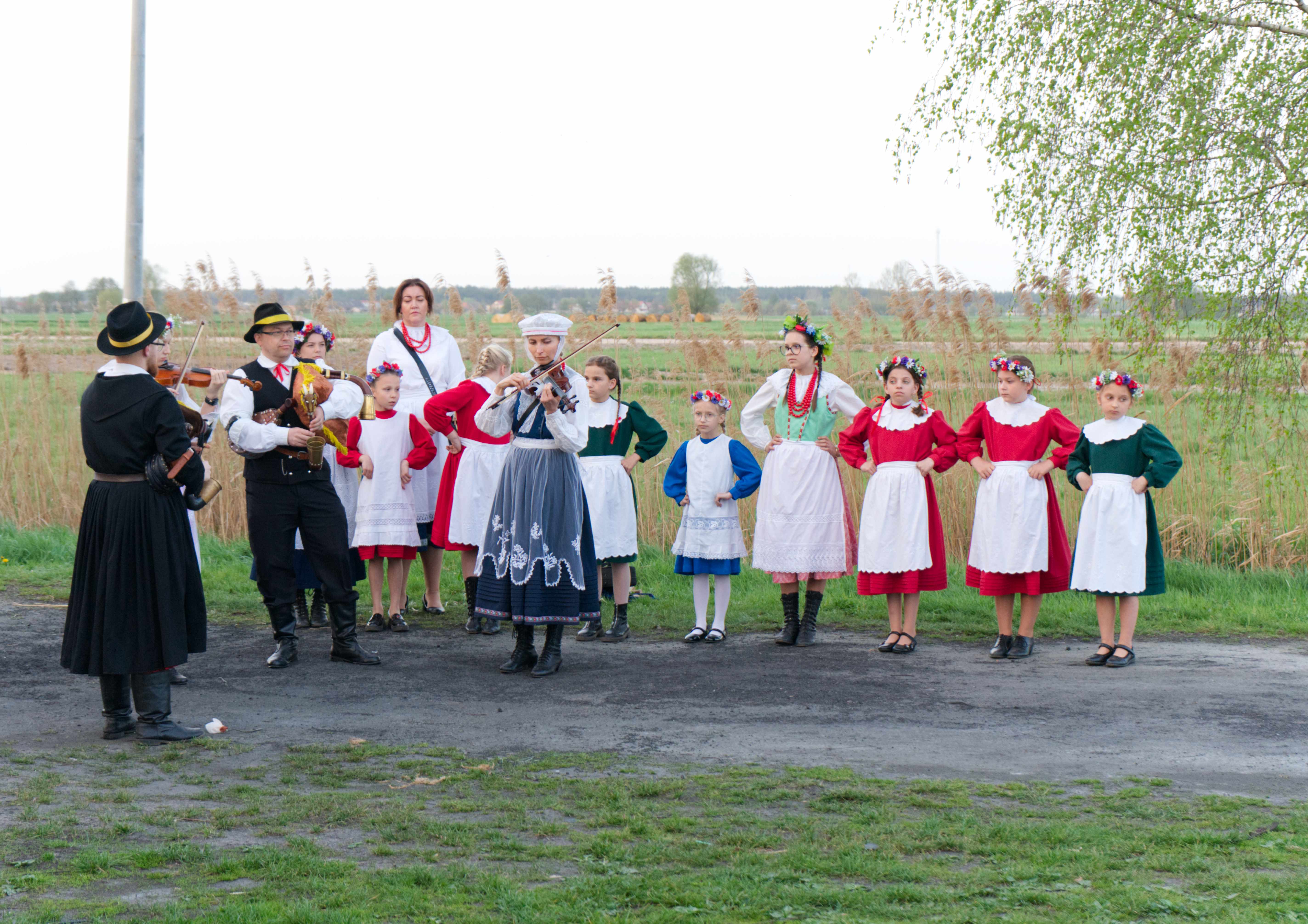
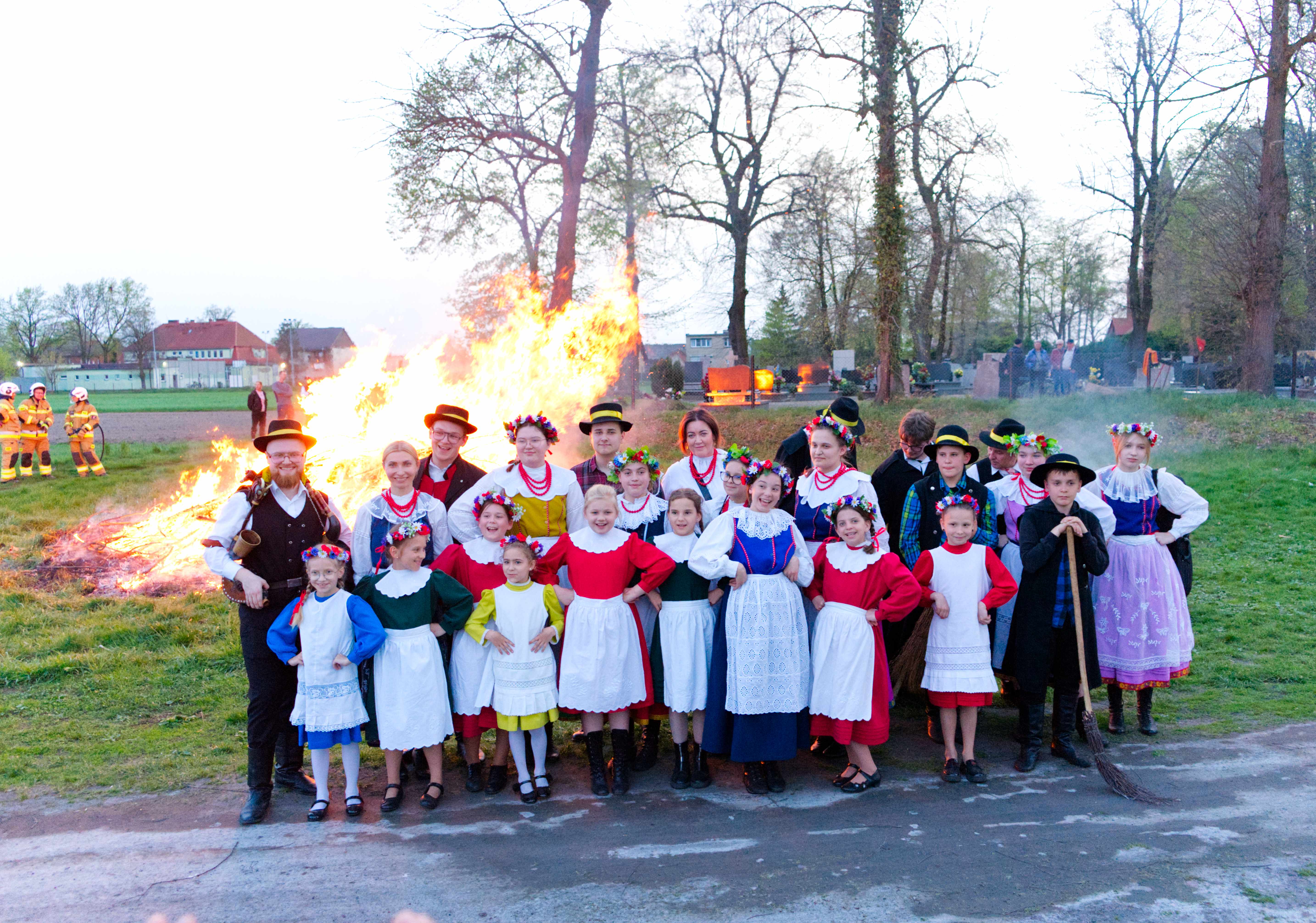
This year's burning of żur took place in Zielona Wieś. On Holy Thursday evening, residents went to the parish church of St. Florian for a mass commemorating the institution of the sacraments of the Eucharist and priesthood. After the service, a procession formed in front of the church, led by musicians playing bagpipes and violins, and members of the band in traditional costumes participating in a reenactment of the custom. Residents and guests followed.
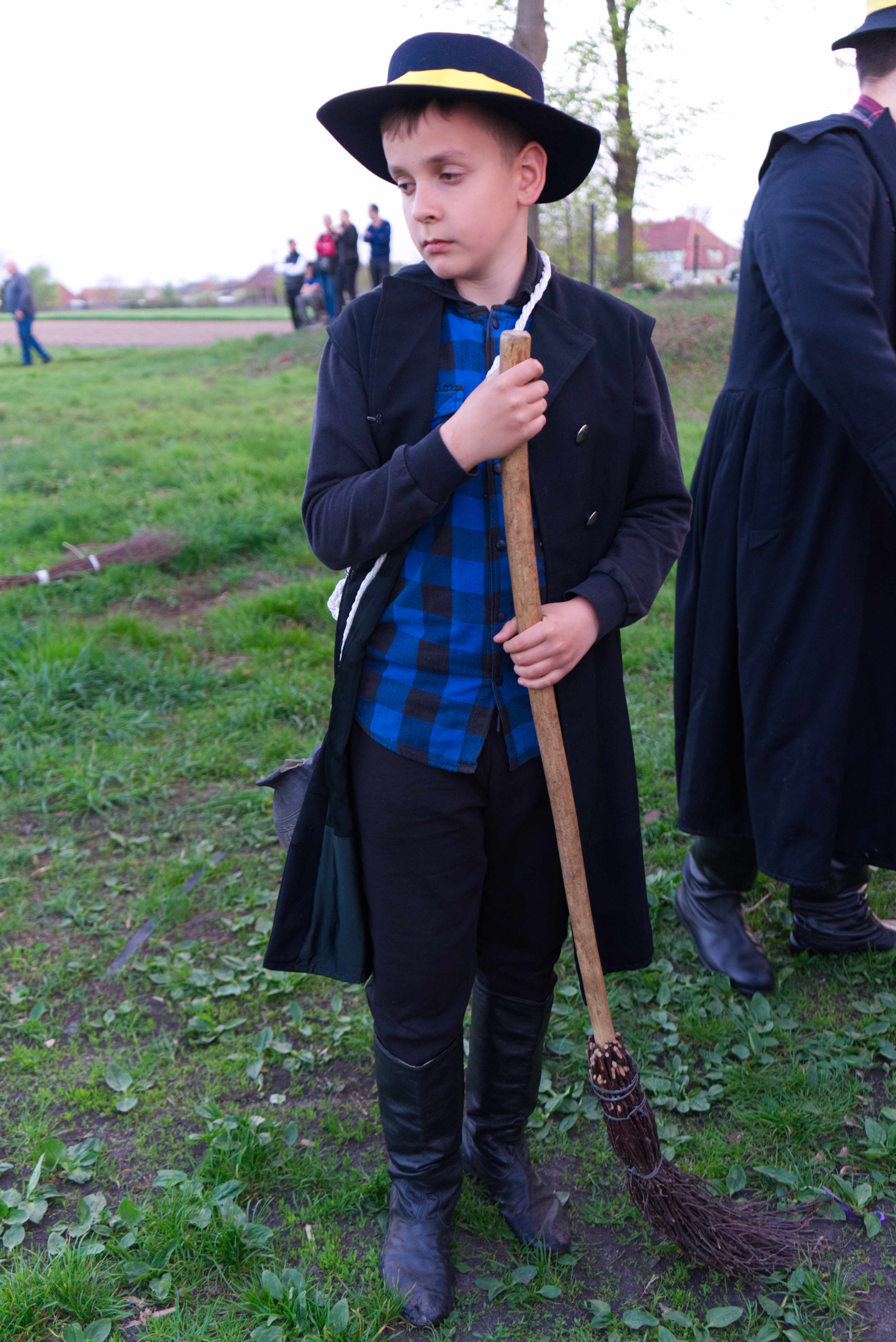
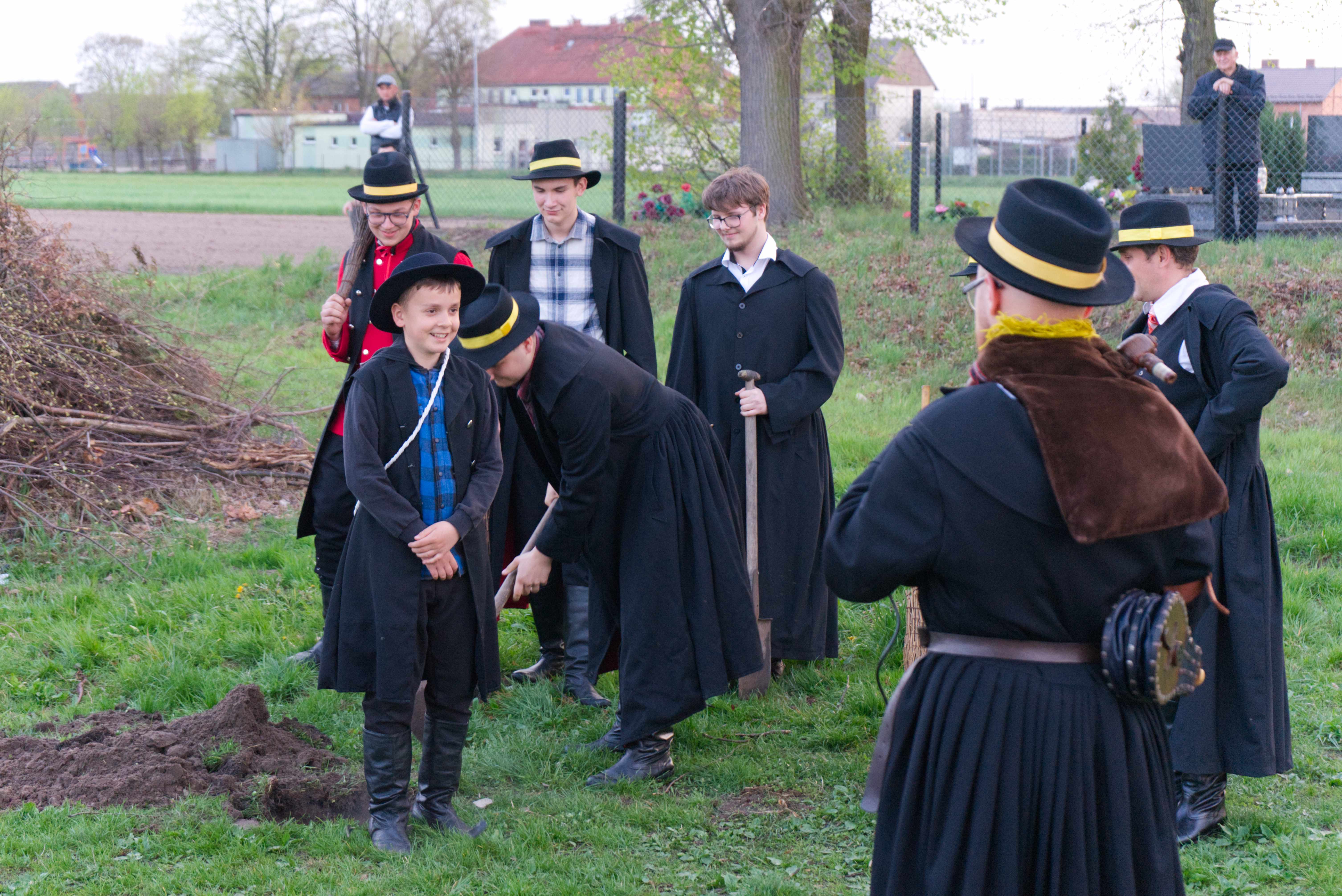
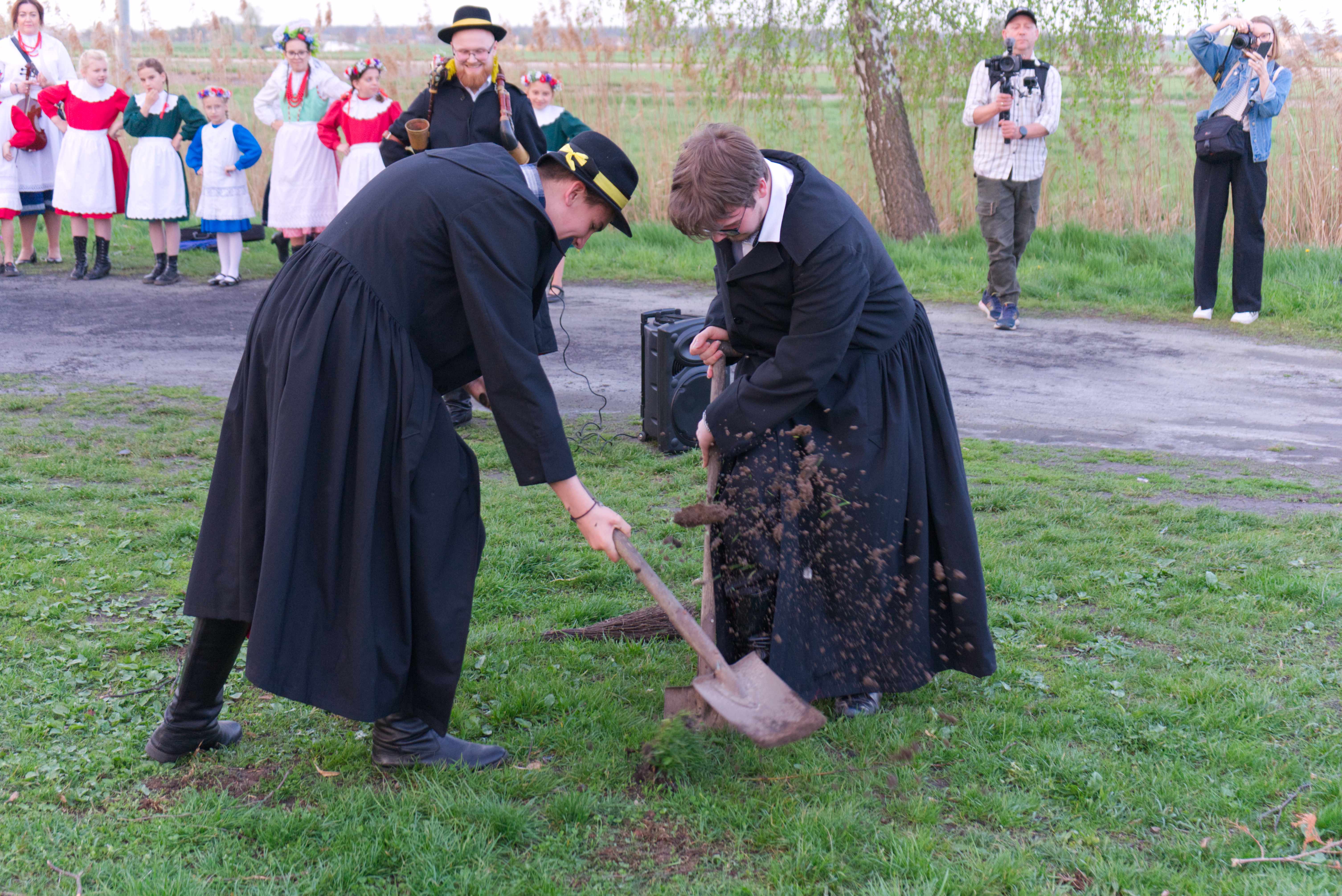
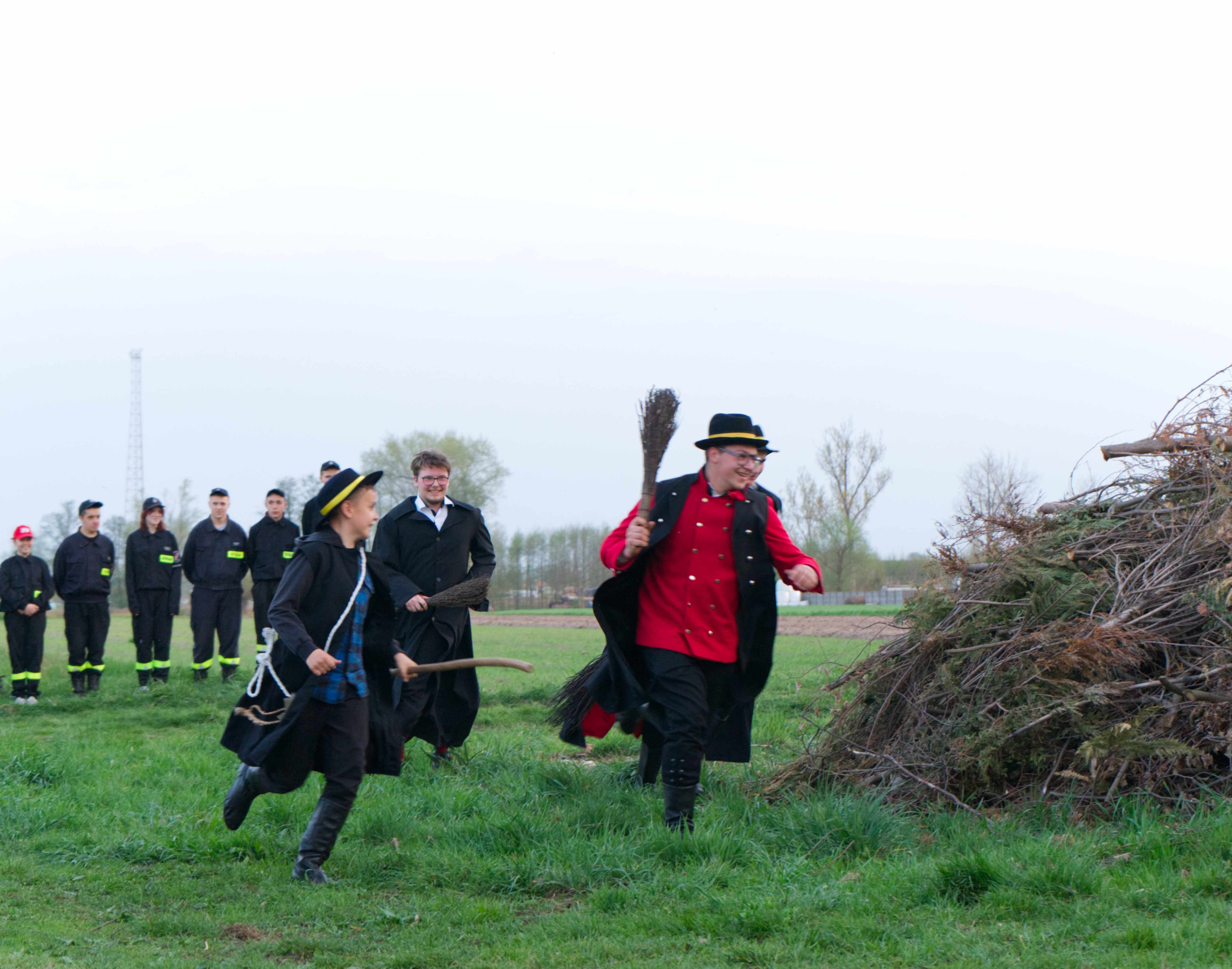
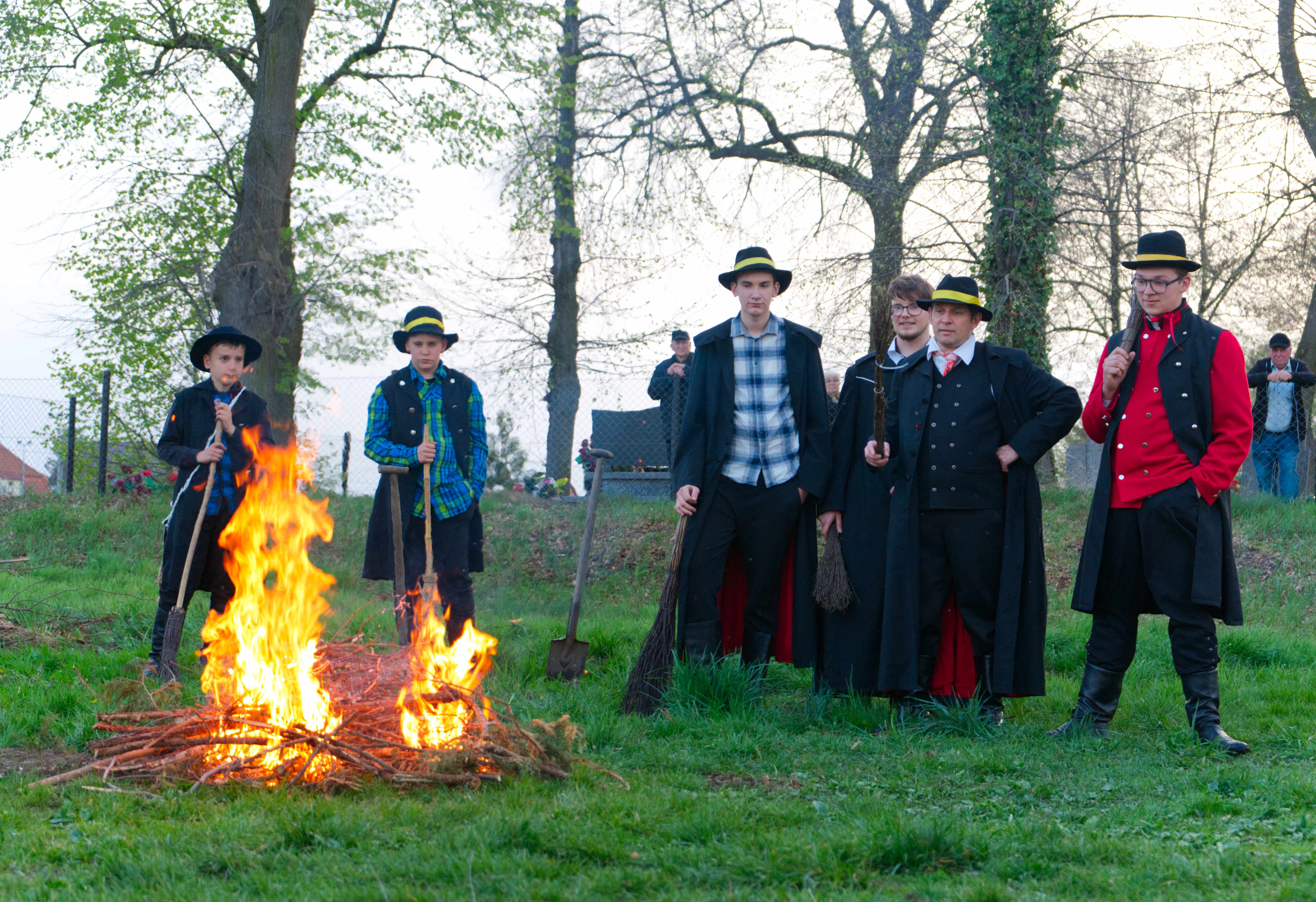
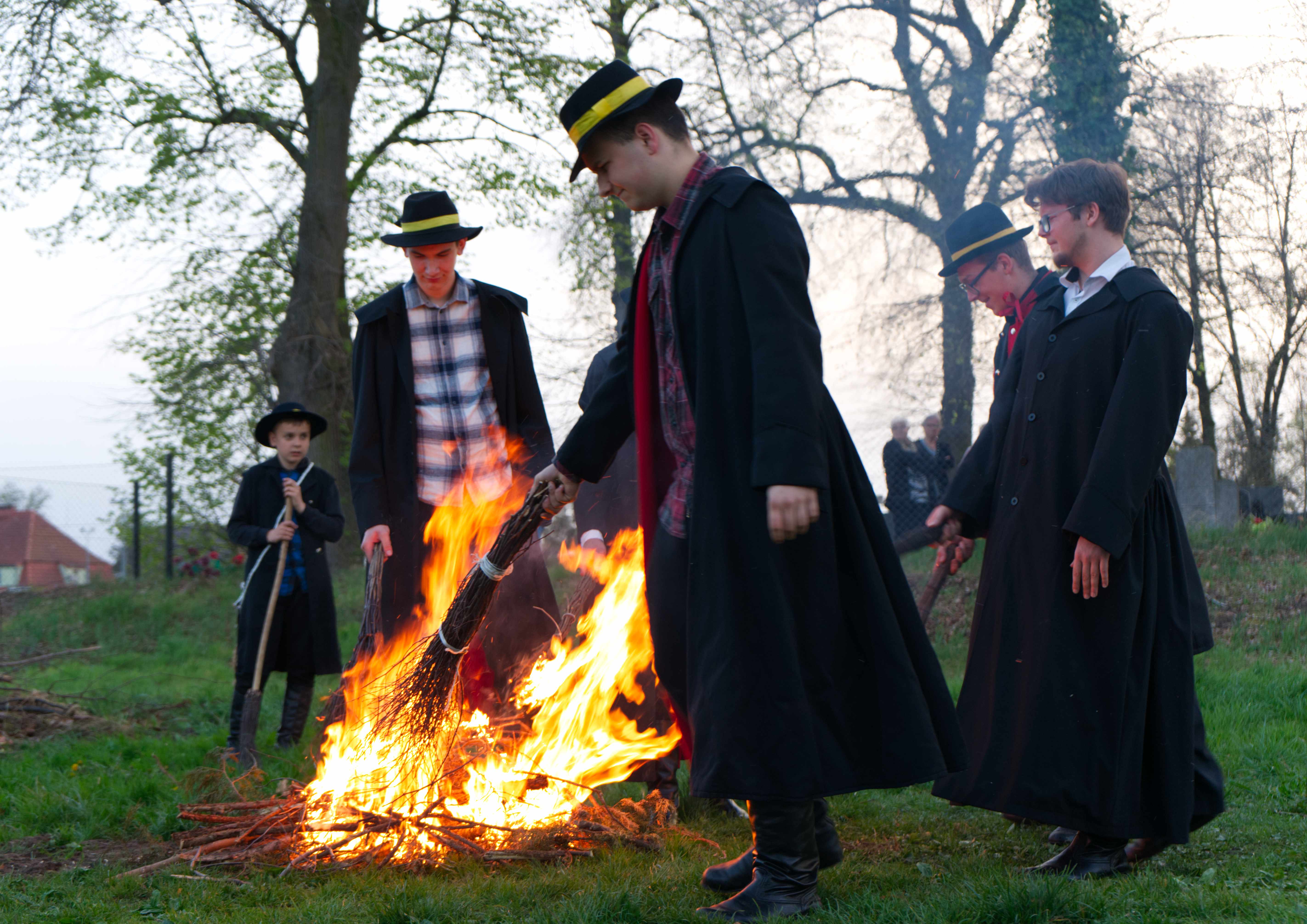
According to the script, the main role in the custom was played by a group of boys who chose the youngest among them, participating for the first time. He had to carry a clay pot of żur on his back, which had to be disposed of. This is a symbolic farewell to the hated dish that was the main staple of peasants during Lent. When the boy, carrying the żur on his back, approached the hole he had dug, the pot was unexpectedly smashed. Traditionally, the żur was poured over the victim. Older boys consoled the novice that next year, he would be the one digging the hole, and someone else would be the one poured over. After lighting a bonfire, the boys would light old brooms, using them to create fiery circles.
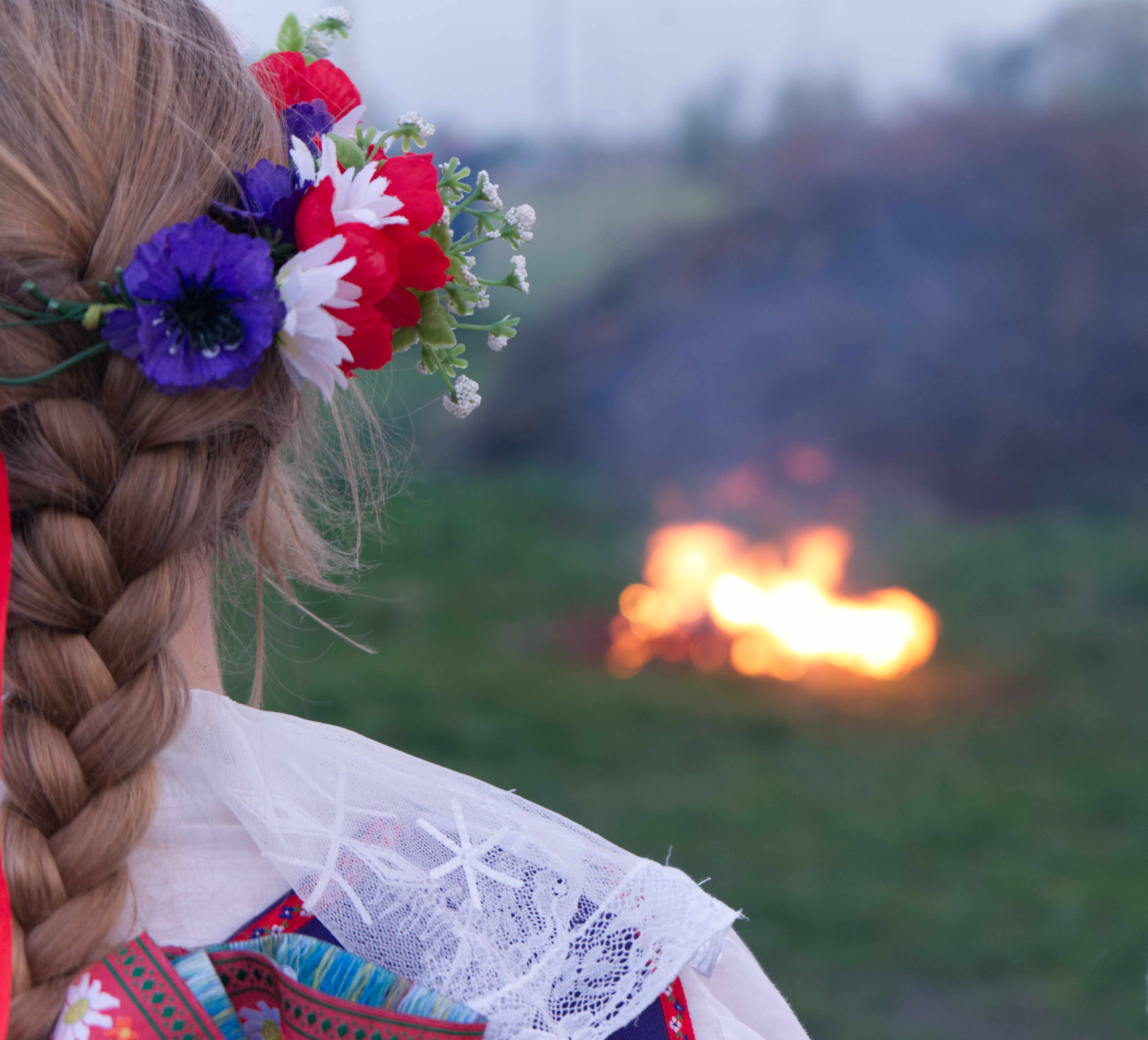
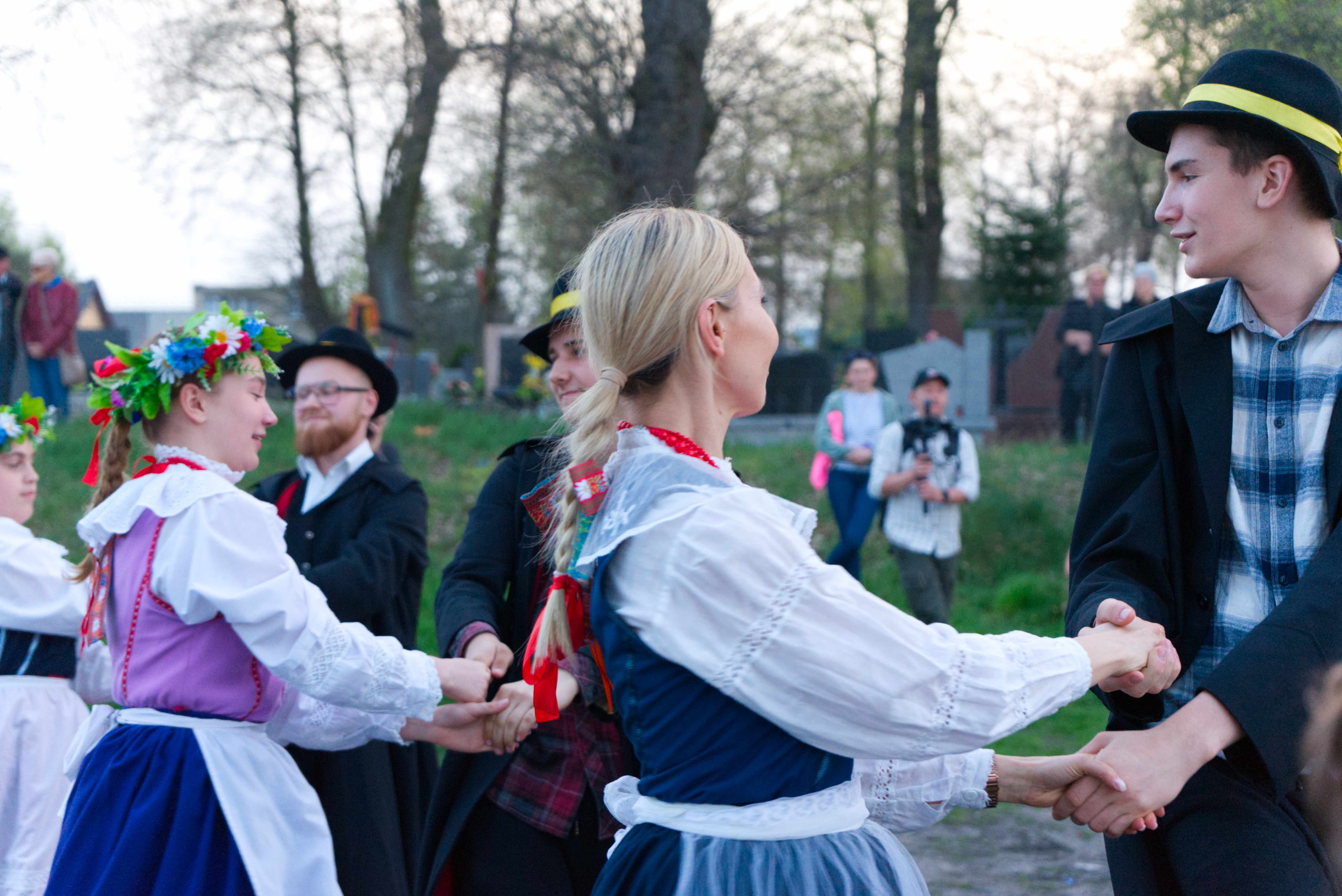
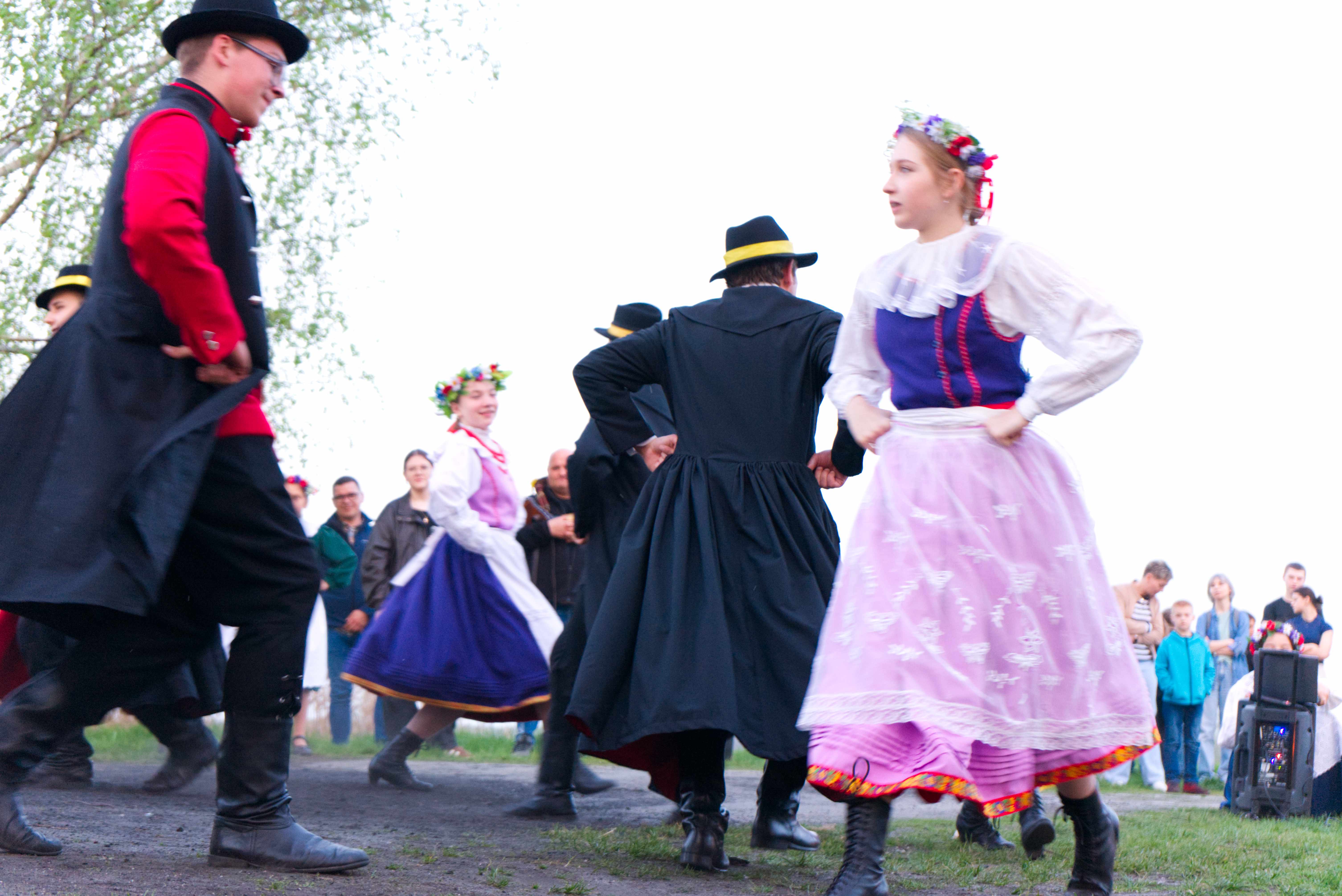
The spectacle was accompanied by folk dances and songs sung by a group of girls. One of them slapped the boys' legs with a twig. In Polish tradition, this ritual beating was meant to ensure health and vitality in the coming year. to the sounds of bagpipes and violins Couples spun against the setting sun to the sounds of bagpipes and violins.
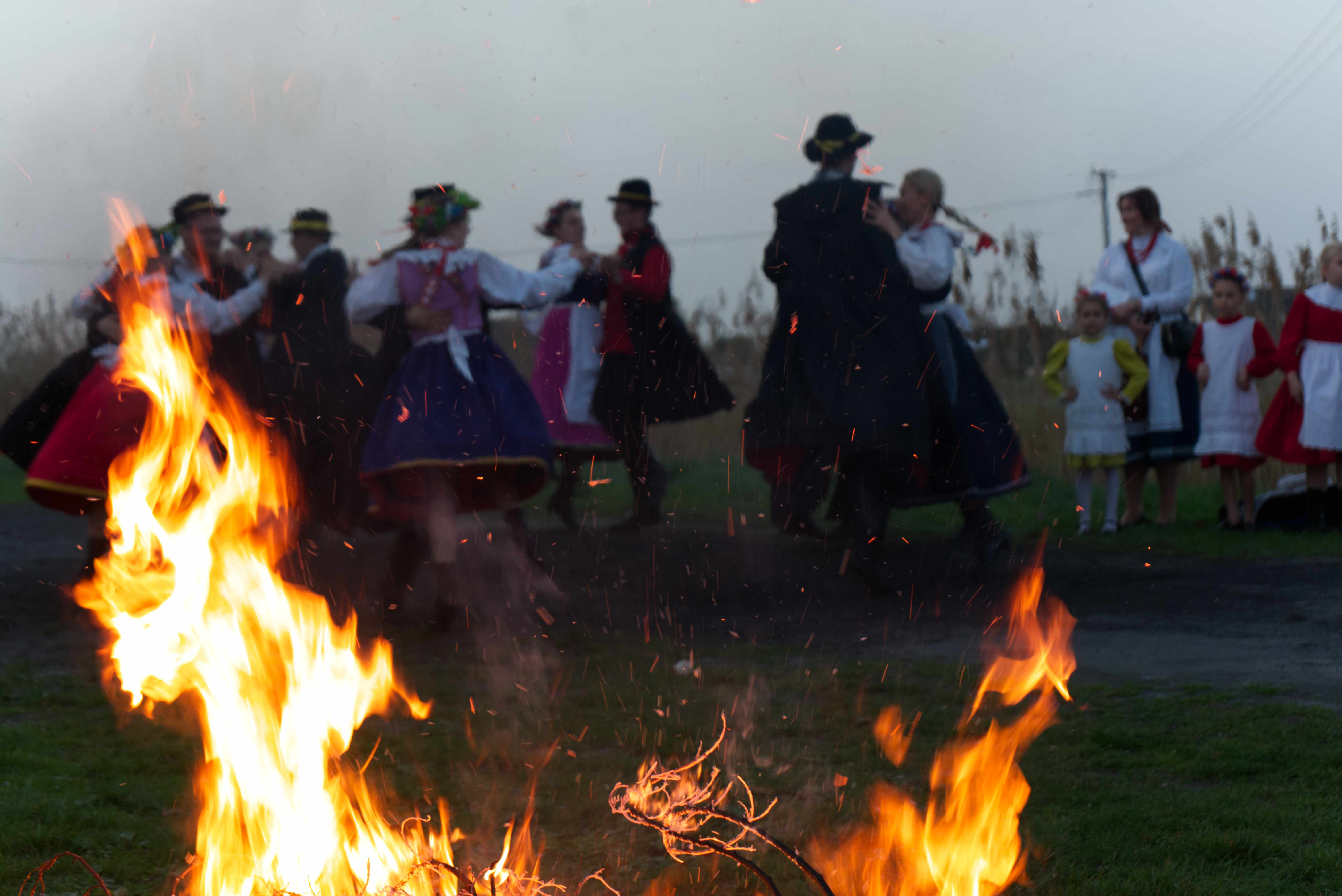
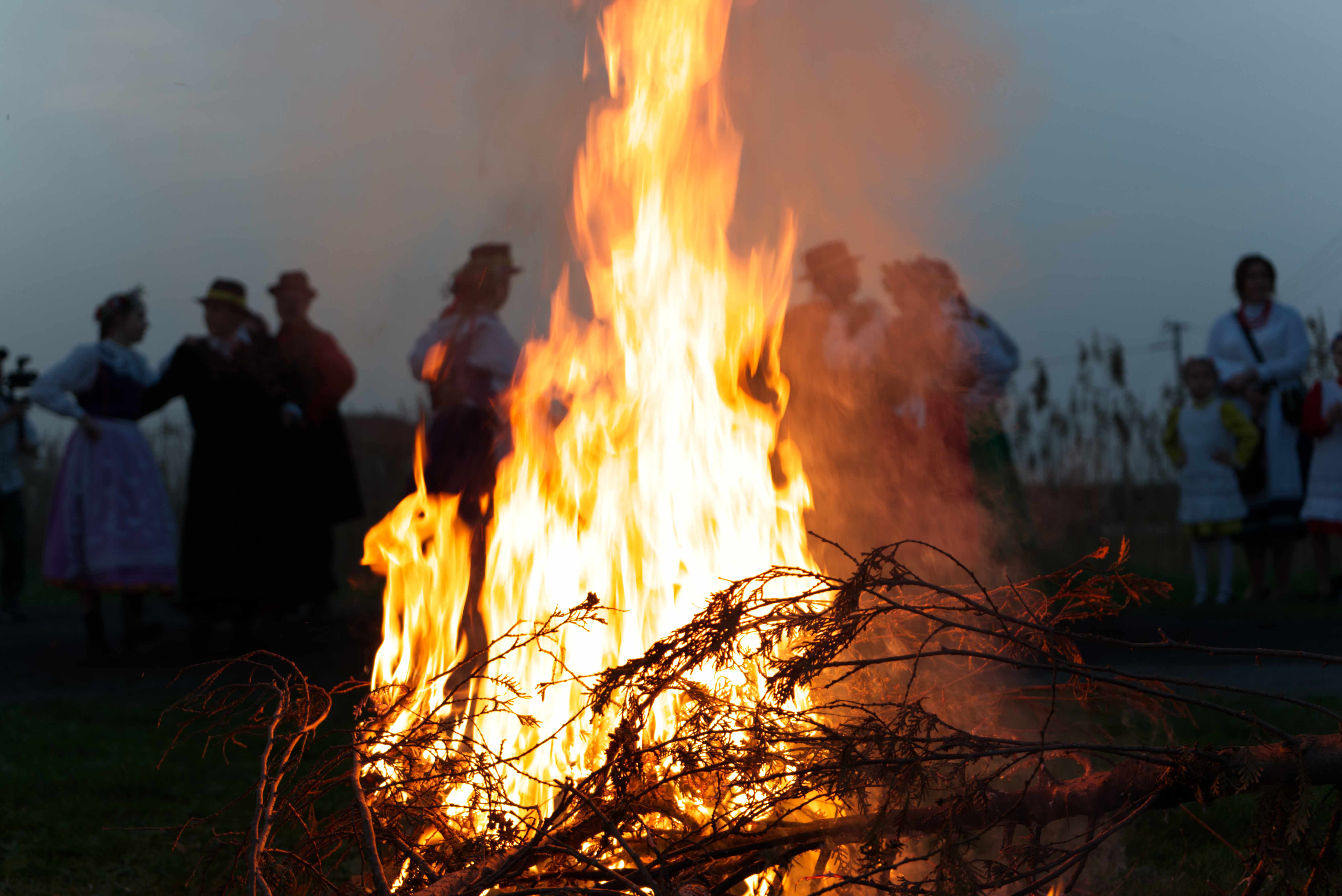
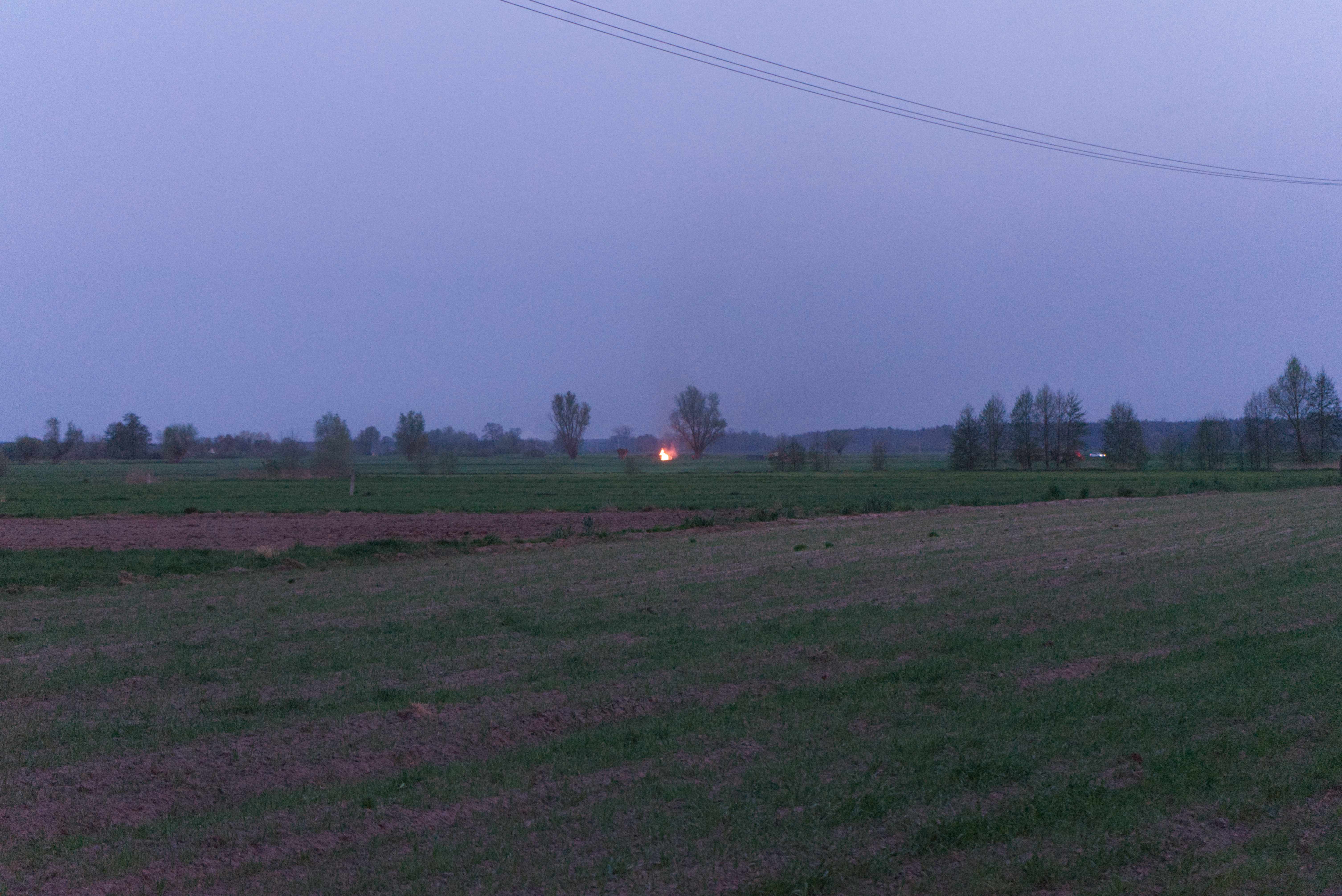
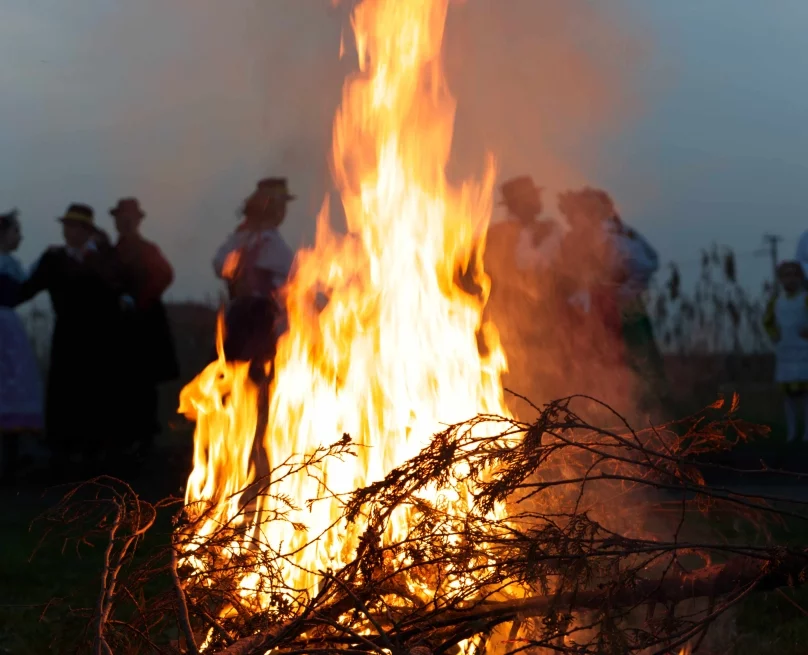
One of the most important elements of the event was the lighting of a large pile of wood prepared in advance, the process of which was supervised by firefighters. Lighting bonfires on Holy Thursday is a popular custom in Hazy/Chazy to this day, as evidenced by the bonfires burning in nearby villages visible on the horizon. According to residents, they burned unnecessary items collected during spring cleaning. The flames shooting up many meters, the glow of the fire and the spreading warmth created an extraordinary atmosphere of a spring evening. As the fire began to die down, the procession moved to the school hall, where refreshments and Easter żur were served, and participants could exchange impressions.
This year's burning of żur took place in Zielona Wieś. On Holy Thursday evening, residents went to the parish church of St. Florian for a mass commemorating the institution of the sacraments of the Eucharist and priesthood. After the service, a procession formed in front of the church, led by musicians playing bagpipes and violins, and members of the band in traditional costumes participating in a reenactment of the custom. Residents and guests followed.
According to the script, the main role in the custom was played by a group of boys who chose the youngest among them, participating for the first time. He had to carry a clay pot of żur on his back, which had to be disposed of. This is a symbolic farewell to the hated dish that was the main staple of peasants during Lent. When the boy, carrying the żur on his back, approached the hole he had dug, the pot was unexpectedly smashed. Traditionally, the żur was poured over the victim. Older boys consoled the novice that next year, he would be the one digging the hole, and someone else would be the one poured over. After lighting a bonfire, the boys would light old brooms, using them to create fiery circles.
The spectacle was accompanied by folk dances and songs sung by a group of girls. One of them slapped the boys' legs with a twig. In Polish tradition, this ritual beating was meant to ensure health and vitality in the coming year. to the sounds of bagpipes and violins Couples spun against the setting sun to the sounds of bagpipes and violins.
One of the most important elements of the event was the lighting of a large pile of wood prepared in advance, the process of which was supervised by firefighters. Lighting bonfires on Holy Thursday is a popular custom in Hazy/Chazy to this day, as evidenced by the bonfires burning in nearby villages visible on the horizon. According to residents, they burned unnecessary items collected during spring cleaning. The flames shooting up many meters, the glow of the fire and the spreading warmth created an extraordinary atmosphere of a spring evening. As the fire began to die down, the procession moved to the school hall, where refreshments and Easter żur were served, and participants could exchange impressions.
17
Photo gallery