The Greater Poland Camp in Biskupizna
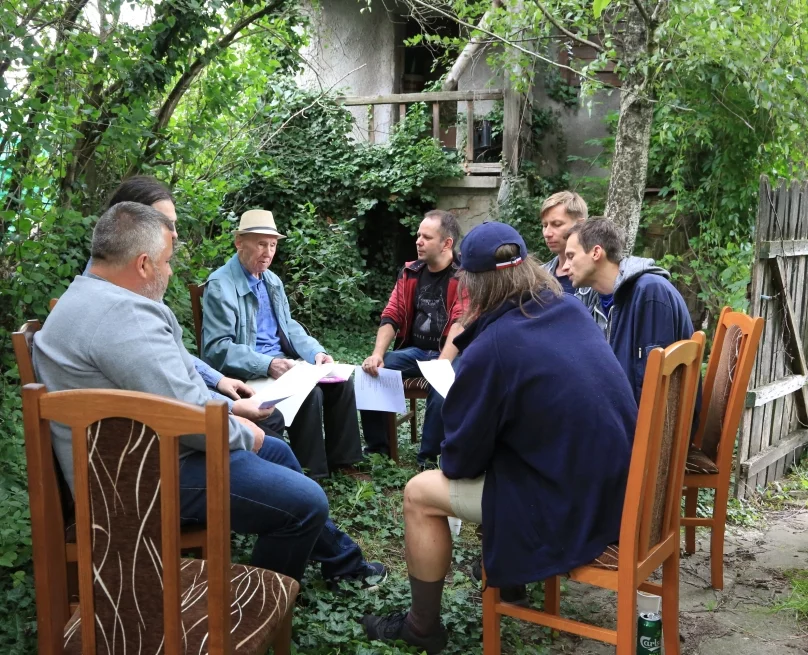
South - western Greater Poland is a region where music and dance traditions are still alive today. The skills of playing instruments such as bagpipes or fiddles, knowledge of songs and sets of dances, are acquired and perfected through direct transmission from older villagers.
Although only a few people possess musical talent, they try to ensure that traditions are not lost. The main way is to popularize them and educate the younger generation. Achieving the appropriate level can be time-consuming and requires commitment and sacrifice, but it also brings immense satisfaction. Thanks to the activities of regional folklore groups, children's groups are being formed in which the future generation is educated.
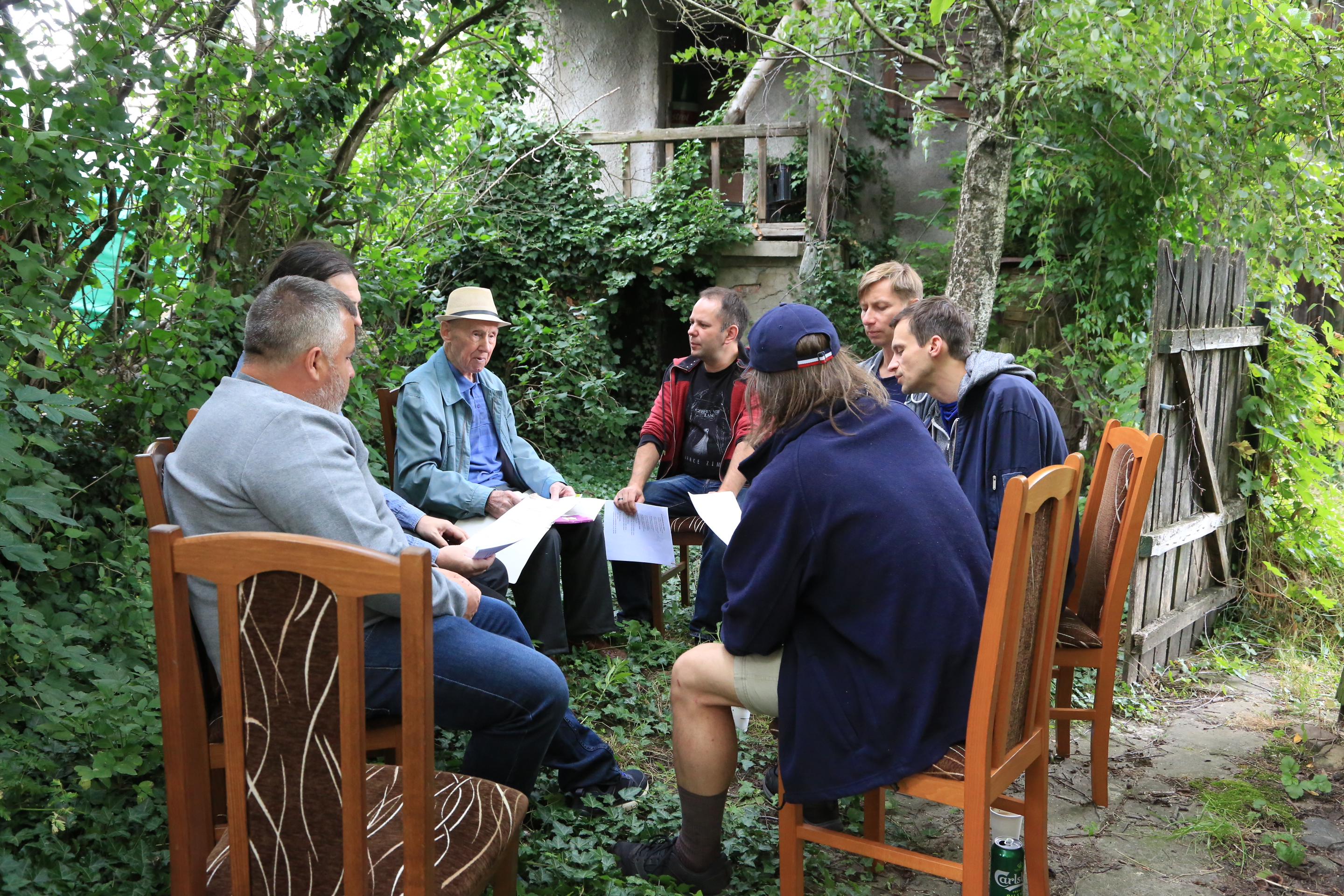
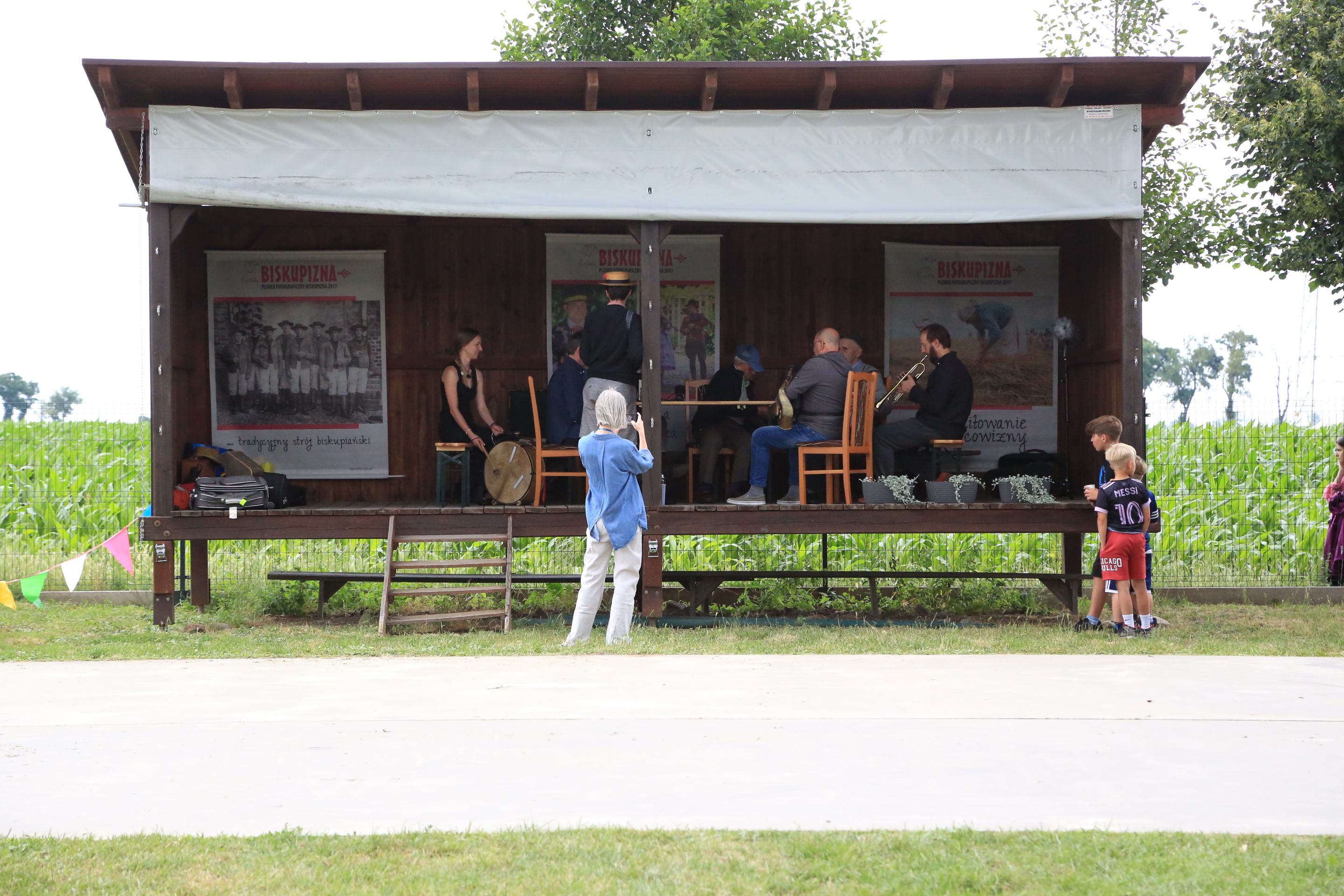
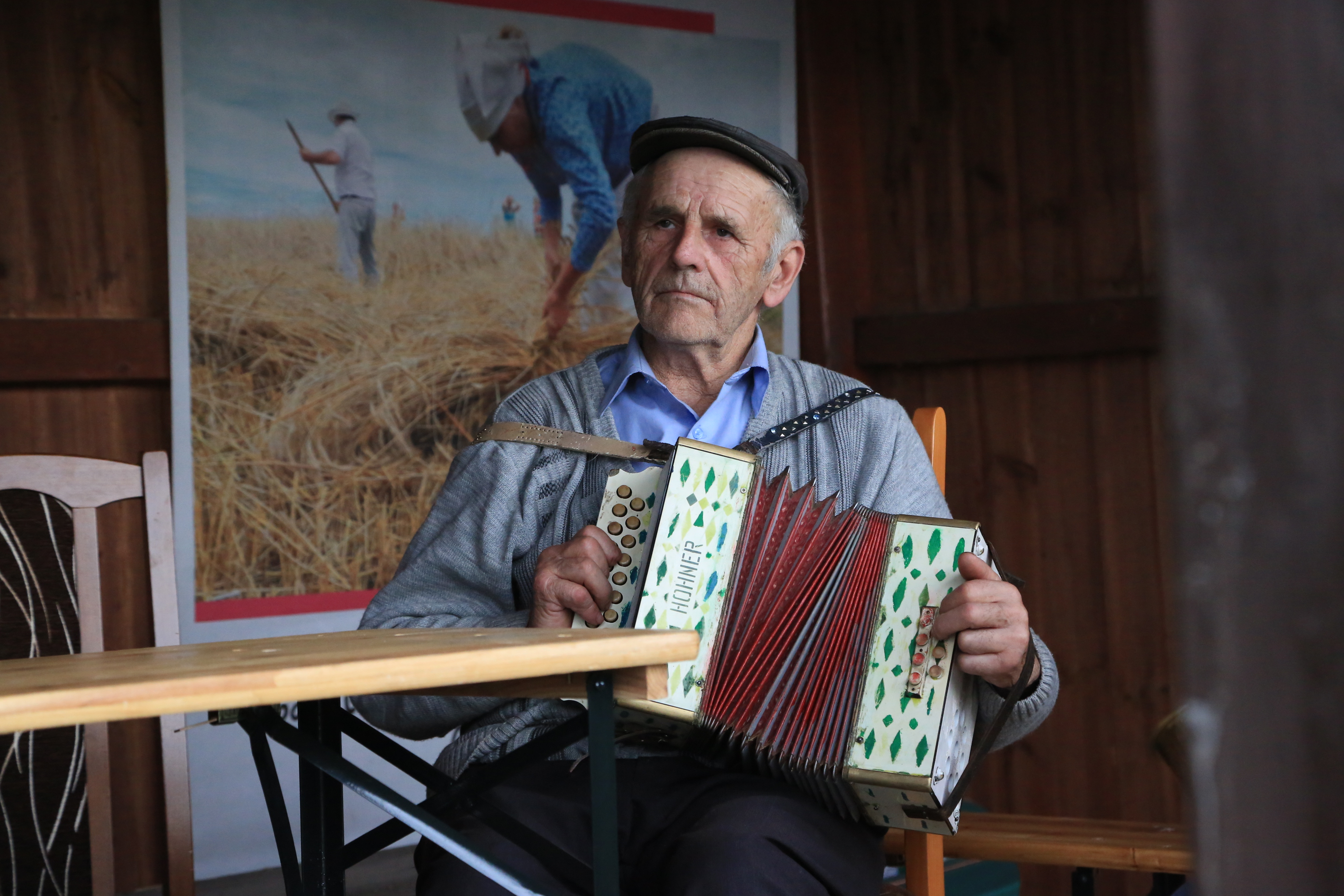
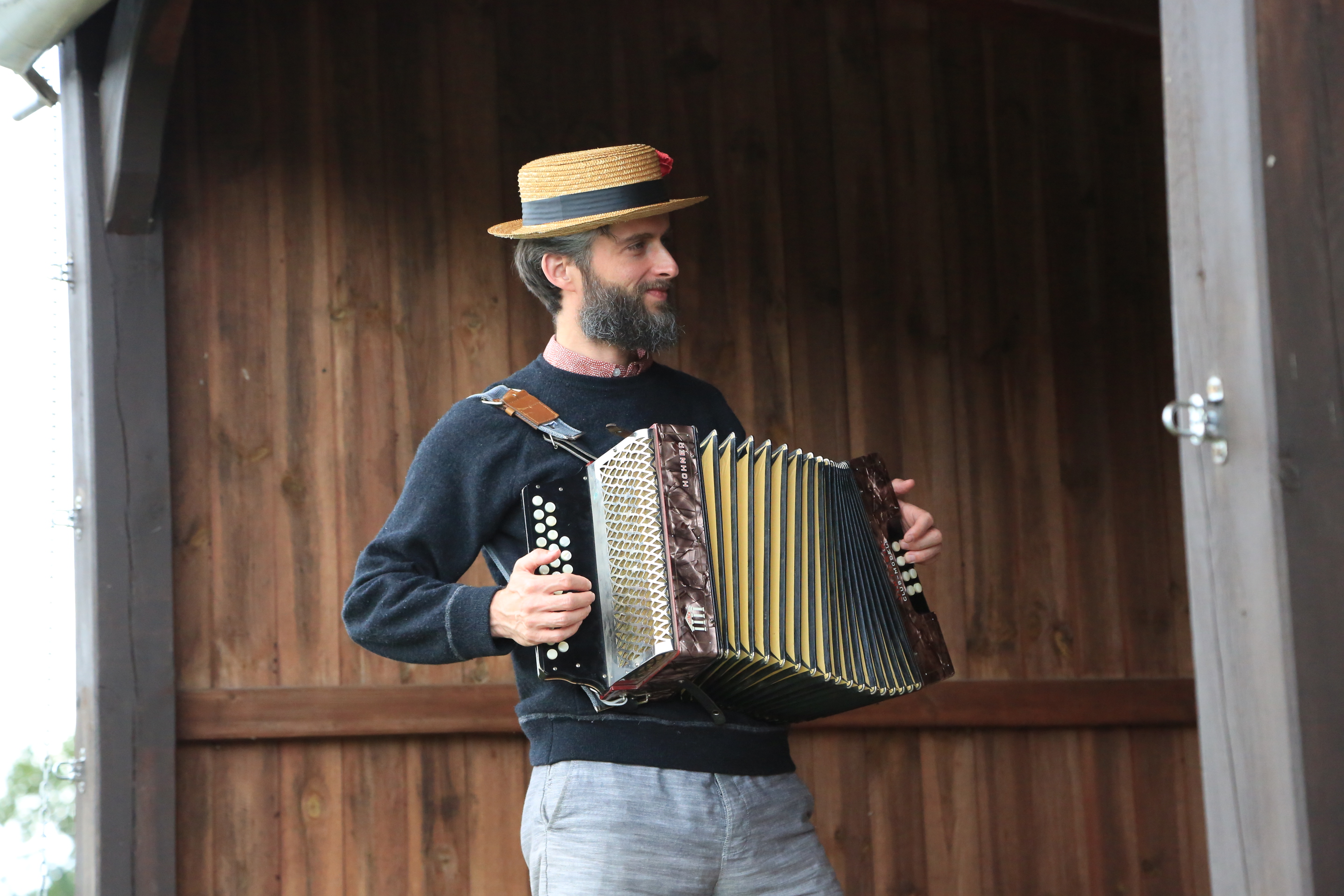
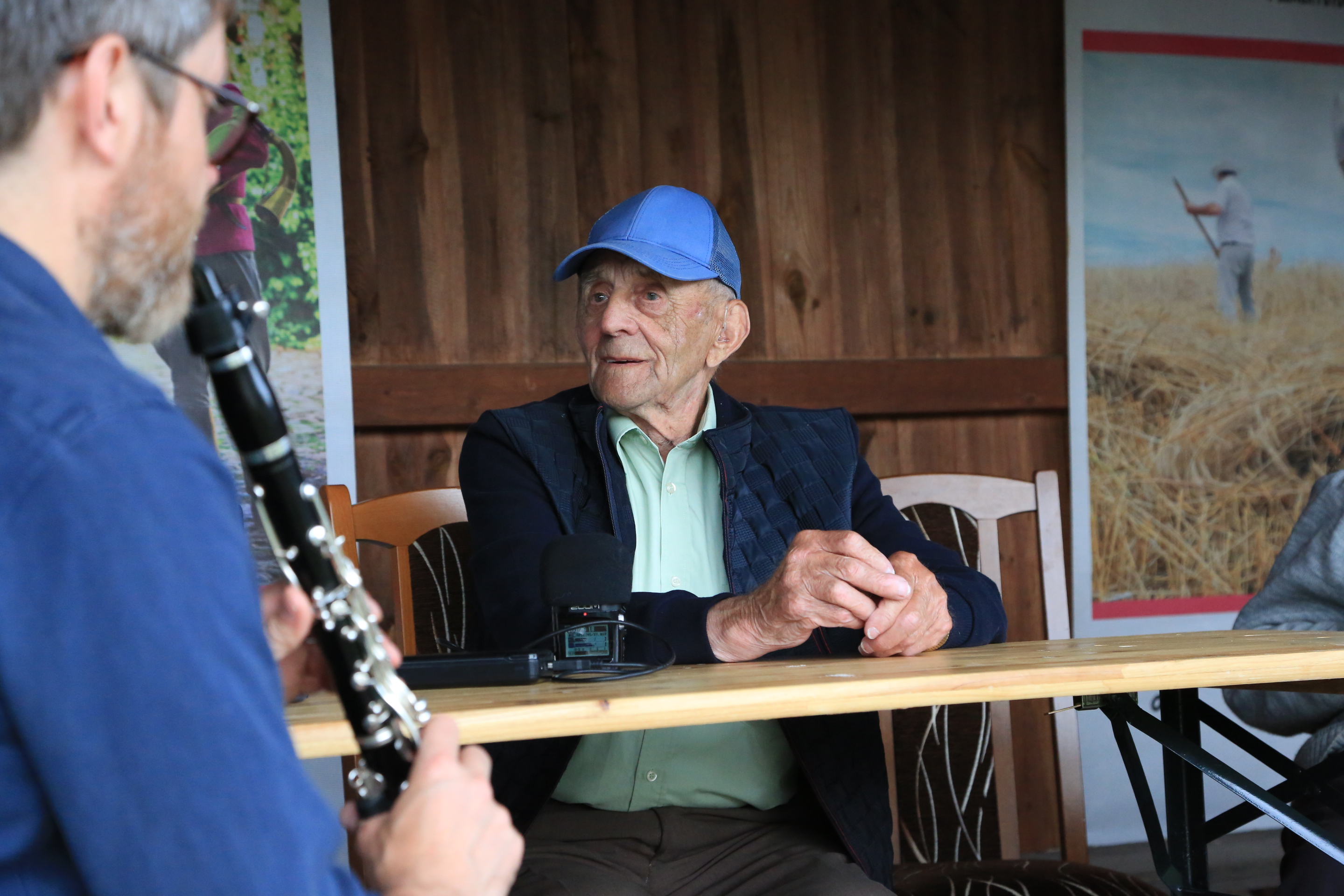
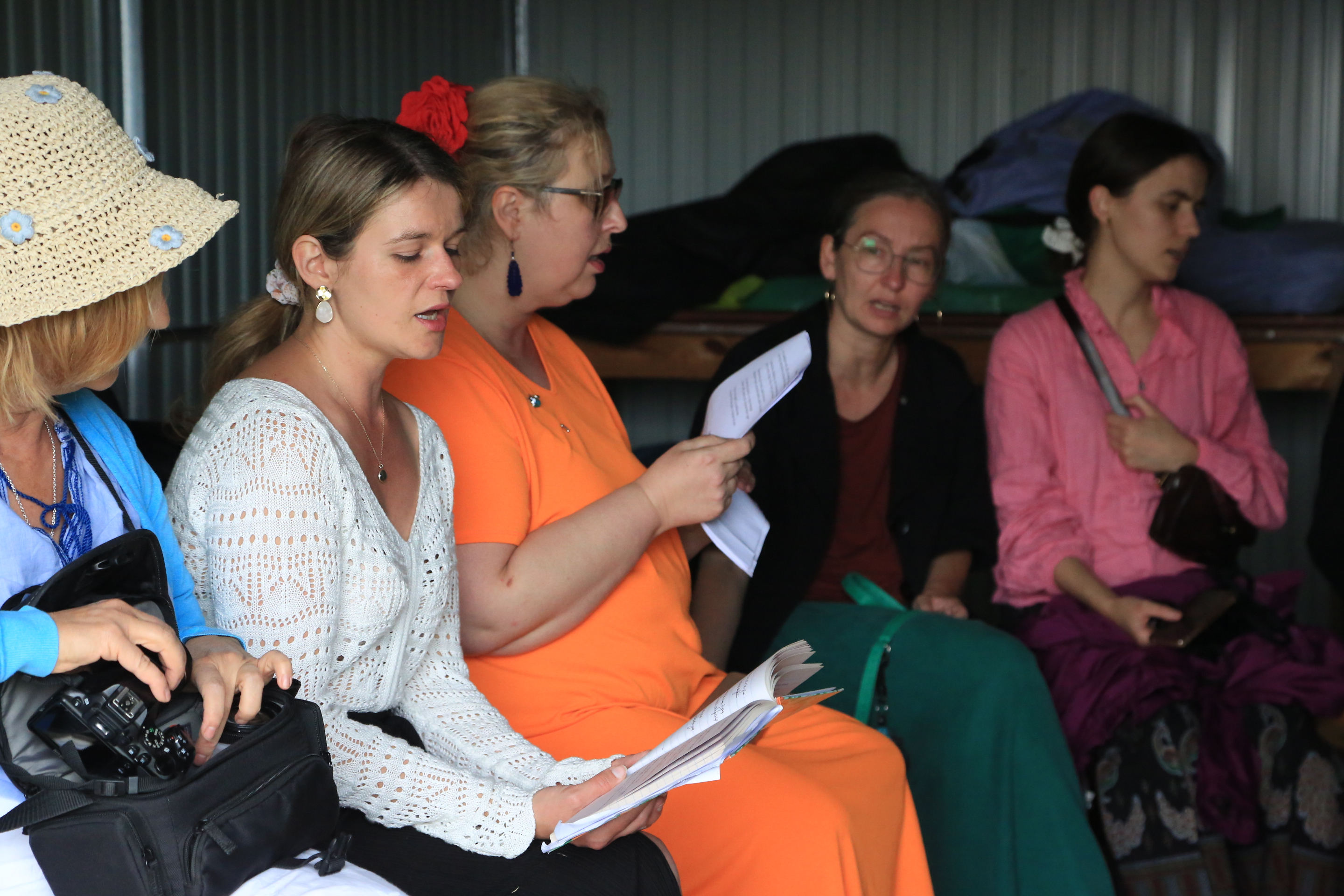
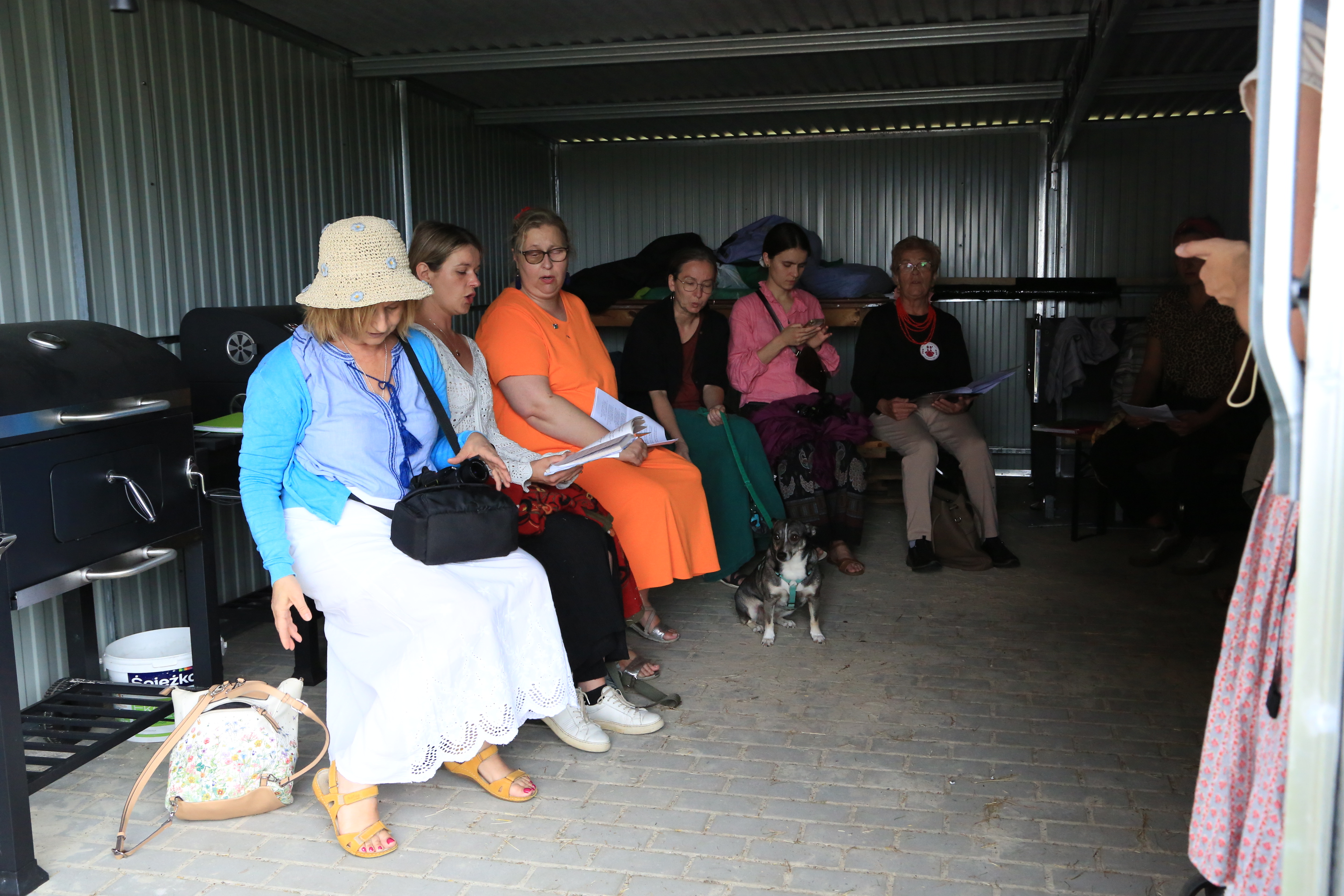
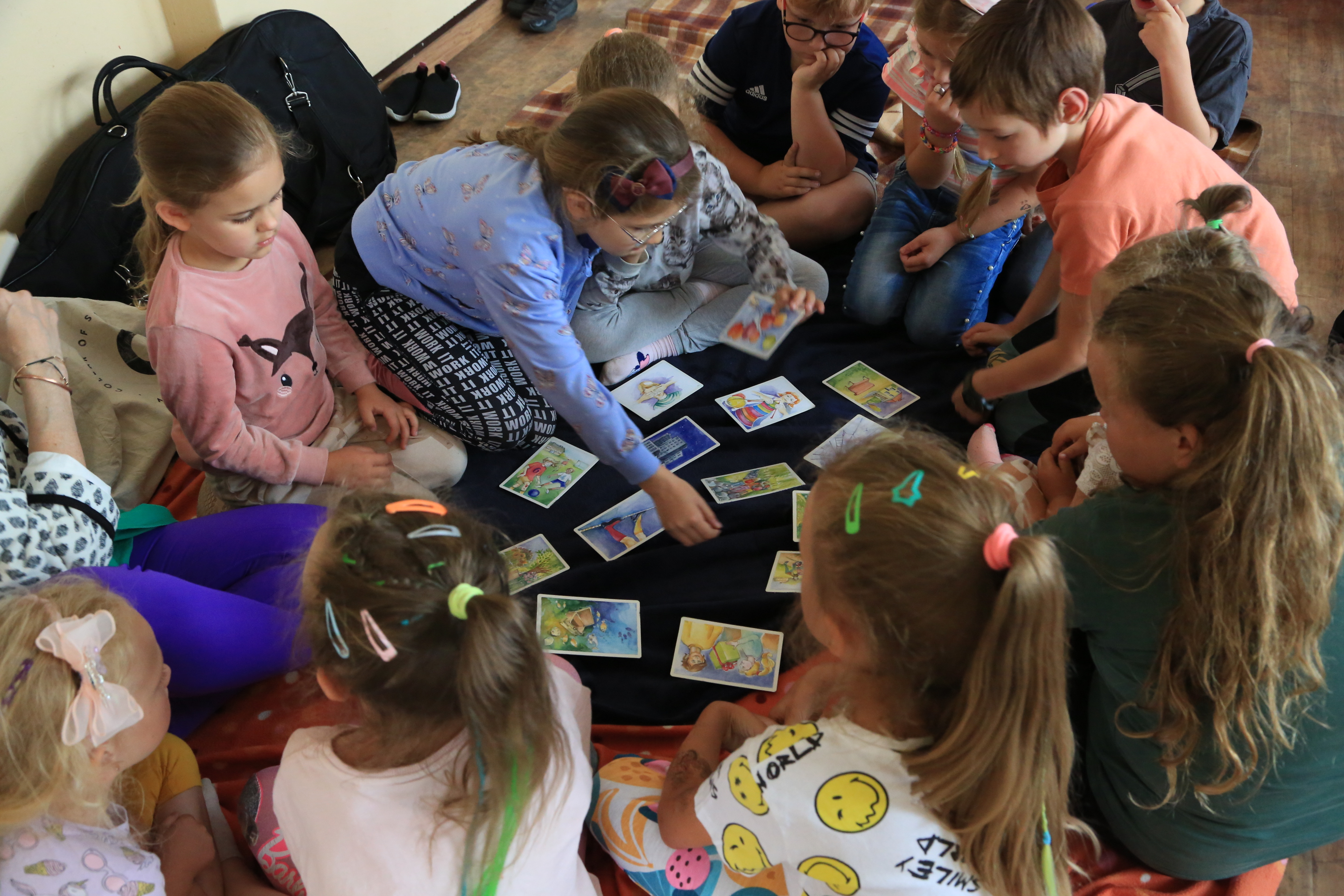
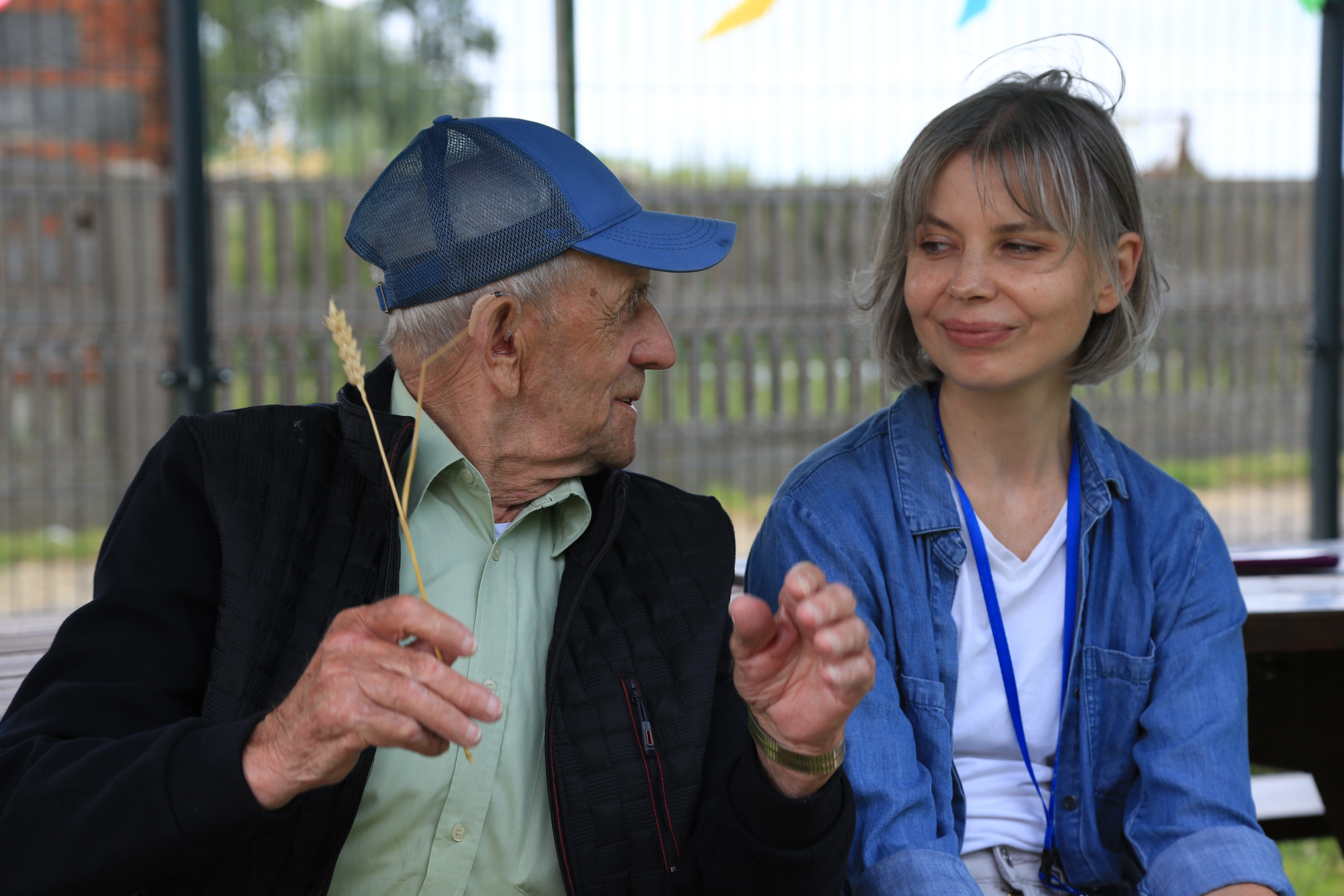
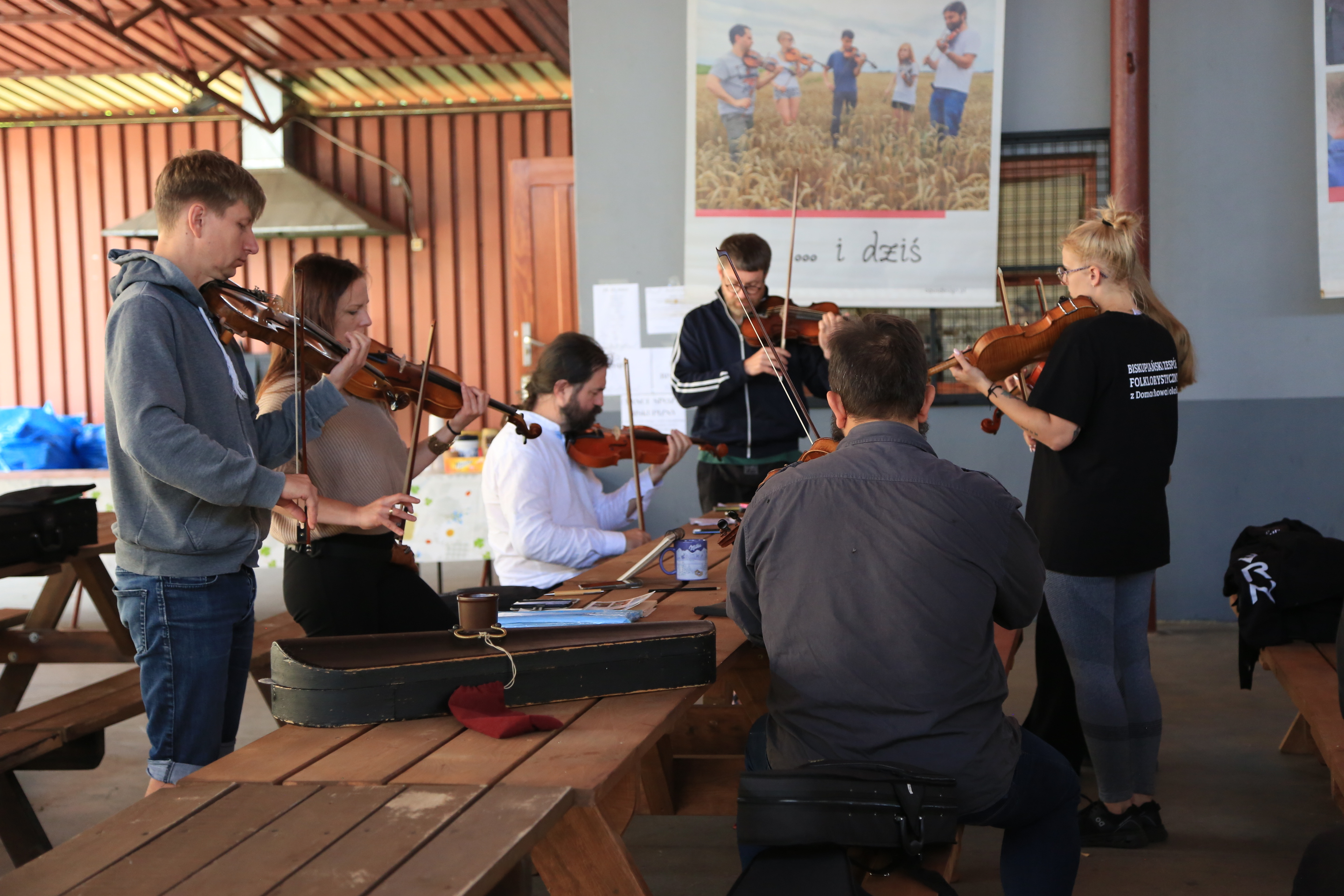
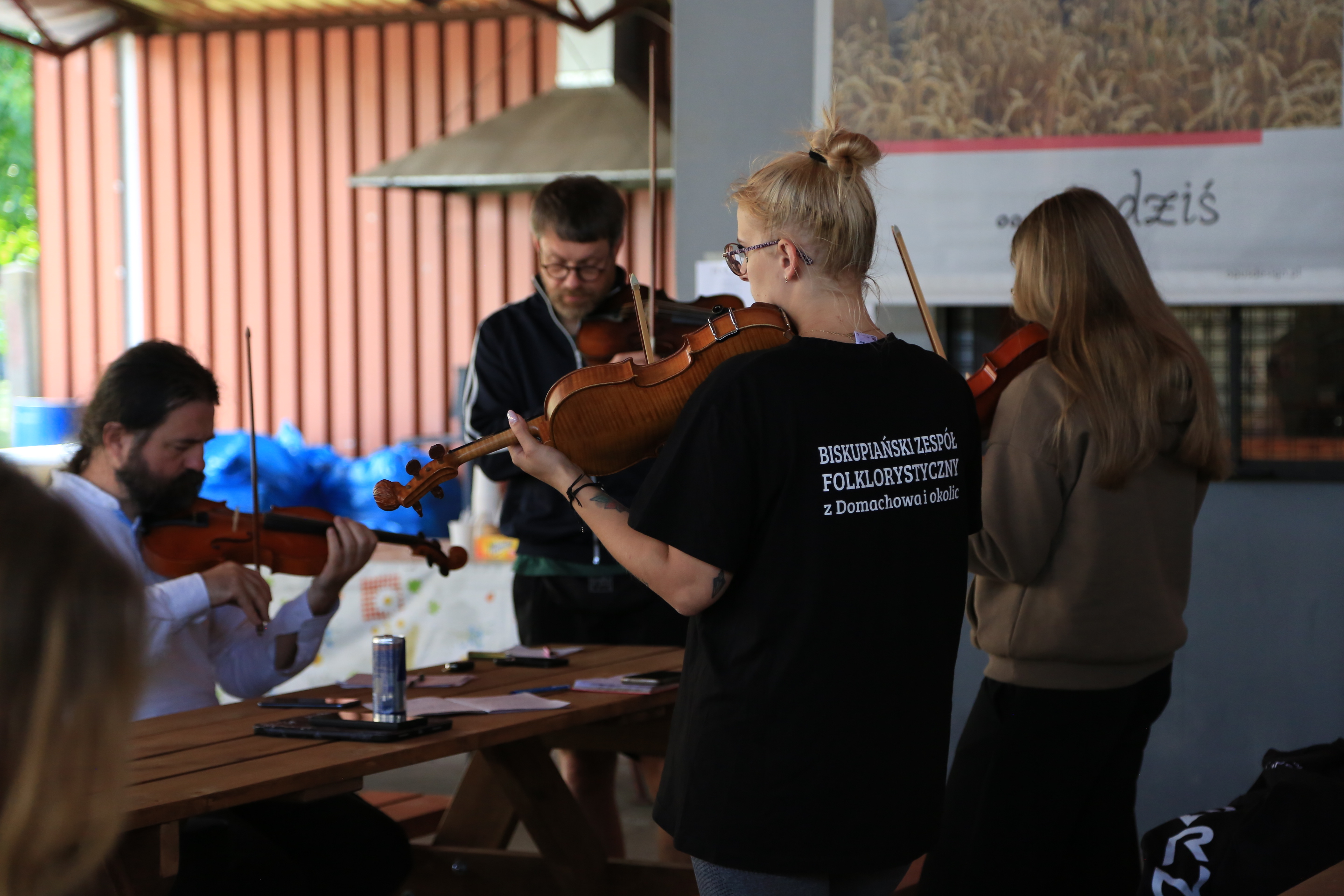
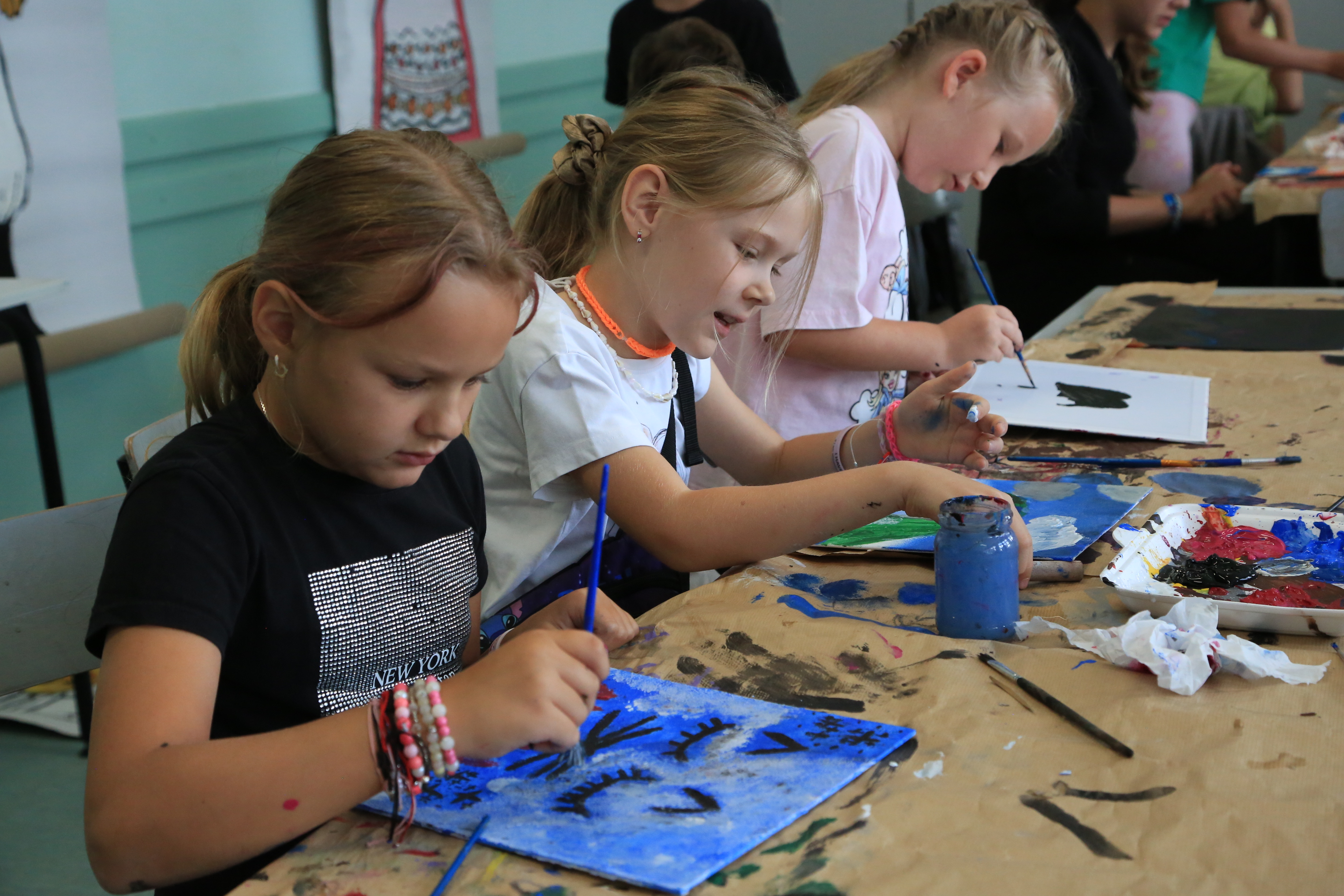
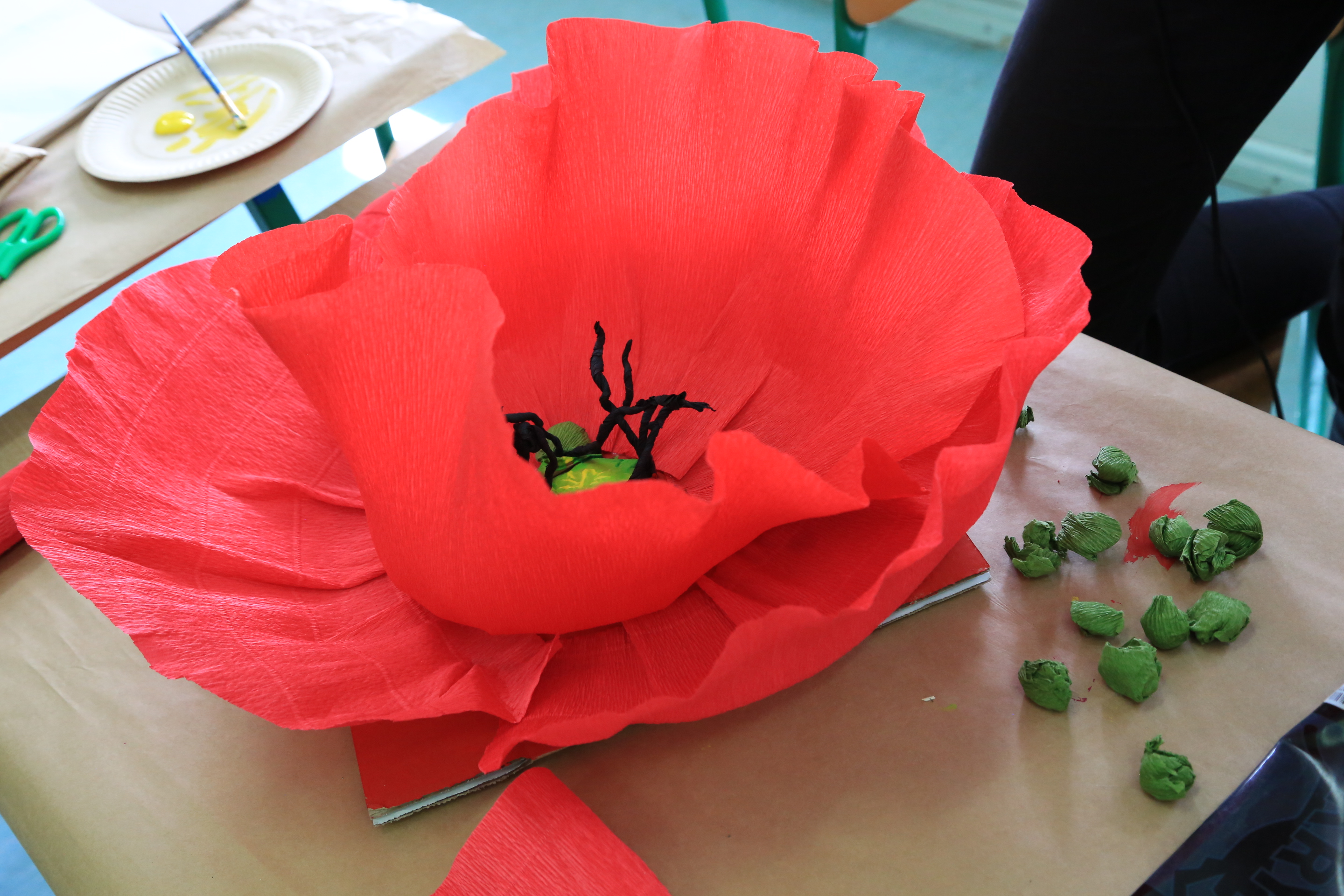
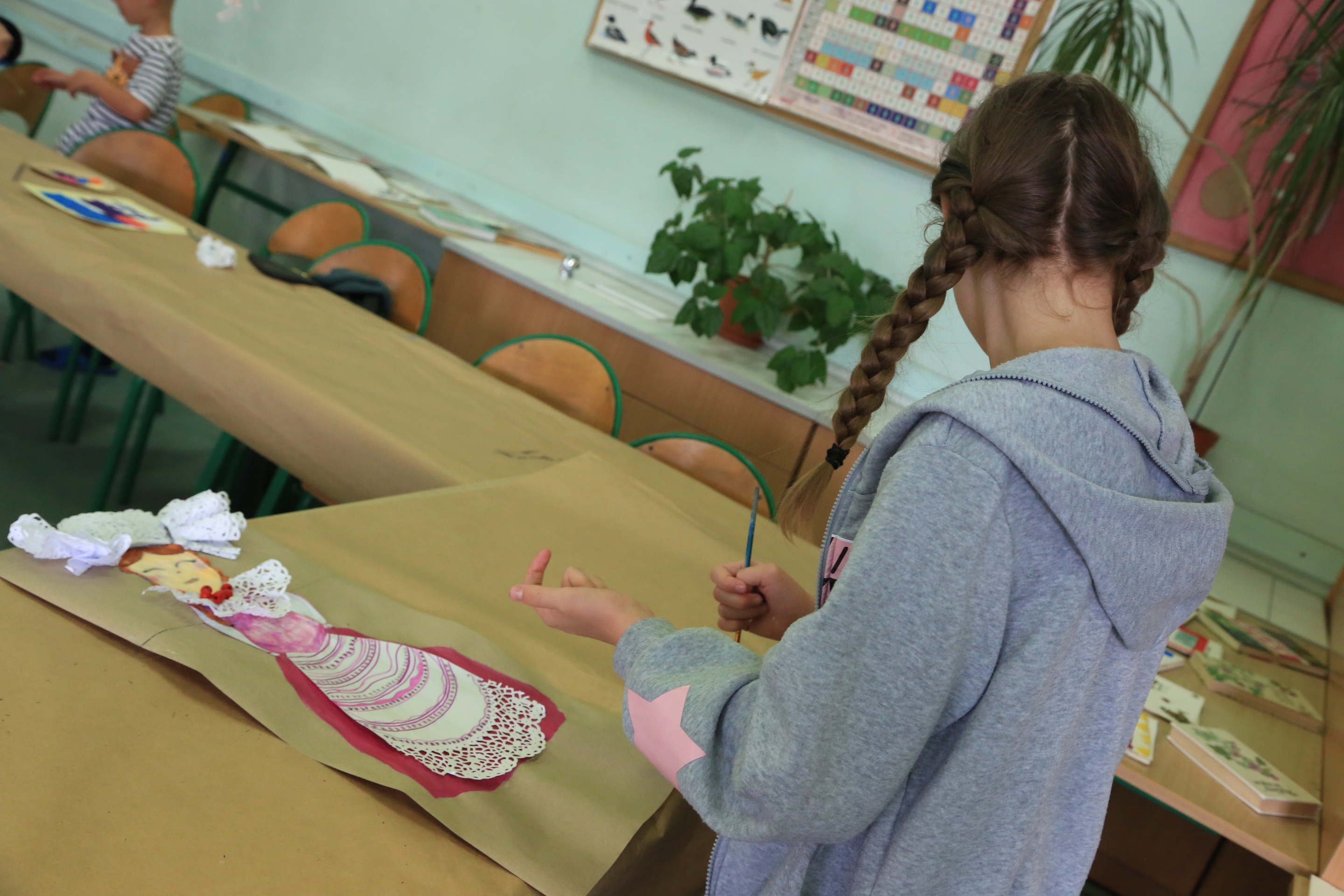
Innovative and attractive ways of conveying knowledge about intangible cultural heritage, based on direct transmission, are used during the Greater Poland Camp - a summer school of tradition, which has been organised for years in Stara Krobia by the Biskupiański Folkloristic Group from Domachowo and the surrounding area. The camp offers numerous workshops, contact with artists, dancing to traditional music, and lessons in songs and playing instruments such as bagpipes and the stringed fiddle.
About the bagpipers:
The old pipers were celebrities, showmen, very important in society because they provided entertainment and music. If there was a piper in the village, there was bound to be some kind of entertainment in the evenings, with music. People flocked to a bonfire, music, and a band […] This was also the person who provided for the family, because they were very well-paid people at that time. They were fashionable, they were trendy because they moved around, socialized with different people, in different environments, often went away for the summer, and played at resorts to earn money. (Michał Umławski)
About playing the bagpipes:
The difficulty [in playing the bagpipes] is to coordinate and synchronize all the activities, and on top of that, to know what you are playing, because there are no notes that you can read or remember. You have to play the melody you have in your head. The relationship between the dancers and the people singing and the band is crucial. He always came over, sang, and the band would play what he sang. This allowed the pipers to avoid mistakes with such a vast repertoire. (Michał Umławski)
About the construction of bagpipes:
It's one thing to build a bagpipe, recreate certain elements, and put them together, because it seems simple enough (three boards covered with leather, it has to be airtight and allow air to blow through and play), but the more difficult step is to turn this conglomeration of metal, wood, and leather into a fully-fledged instrument, to play and sound, and above all, to keep in tune. (Michał Umławski)
Bagpipes at weddings:
The last wedding [in Bukówiec Górny] that is said to have been exclusively bagpipe-based took place in 1947. The entire wedding was played solely by bagpipers. For a long time, however, there were weddings where bagpipes had to be played, leading from the church. But then additional instruments were introduced: violins, bandonia, and then accordions. I would say that even in the 1950s, bagpipes were still played, or at least there were some episodes during the oczepiny ceremony. People wanted to play the bagpipes again, the oldest ones. Or if mom and dad still wanted to, they always played the bagpipes. Because those who formed the later bands were pipers, they played bagpipes and played other instruments. But the more these bagpipe bands crumbled, the less bagpipes were played at weddings. Well, then it happened that if you wanted bagpipes, you had to find pipers to play them, and to this day they play at weddings, right? We especially play in front of the church, then we come with a bagpipe band for half an hour, an hour, to play. Those who are getting married, for example, dance in a band, or like this kind of music, invite each other. (Zofia Dragan)
Songs:
I know many songs, of course not as many as Mrs. Ania [Chuda], because my notebook, for example, contains less than two hundred, whereas Mrs. Ania has several notebooks, some of them quite large ones. And she knows these chants by heart. I try to memorize them too, because, you know, writing them down in a notebook and writing them down in your head are two different things. The hardest part is learning the melodies. Some are harder to sing, some are very easy to sing. And, of course, the dialect. You also have to learn it. I find it easiest to learn from recordings, because when there's a recording, there's a tempo, the dialect, and the melody. (Maria Polowczyk)
Biskupiański Dances:
First up is the wiwat. The wiwat is our fastest dance. Then there is the przodek, which is one couple dancing, and the gentlemen applaud them and serve the forehand. And then there are two equal ones, or oberki. One is in one direction, the other in the other. And finally, there's the siberek. And, of course, for all these dances, except the siberek, the dancers have to—usually it was a bachelor party, gentlemen—sing what the band is supposed to play. (Maria Polowczyk)
Although only a few people possess musical talent, they try to ensure that traditions are not lost. The main way is to popularize them and educate the younger generation. Achieving the appropriate level can be time-consuming and requires commitment and sacrifice, but it also brings immense satisfaction. Thanks to the activities of regional folklore groups, children's groups are being formed in which the future generation is educated.
Innovative and attractive ways of conveying knowledge about intangible cultural heritage, based on direct transmission, are used during the Greater Poland Camp - a summer school of tradition, which has been organised for years in Stara Krobia by the Biskupiański Folkloristic Group from Domachowo and the surrounding area. The camp offers numerous workshops, contact with artists, dancing to traditional music, and lessons in songs and playing instruments such as bagpipes and the stringed fiddle.
About the bagpipers:
The old pipers were celebrities, showmen, very important in society because they provided entertainment and music. If there was a piper in the village, there was bound to be some kind of entertainment in the evenings, with music. People flocked to a bonfire, music, and a band […] This was also the person who provided for the family, because they were very well-paid people at that time. They were fashionable, they were trendy because they moved around, socialized with different people, in different environments, often went away for the summer, and played at resorts to earn money. (Michał Umławski)
About playing the bagpipes:
The difficulty [in playing the bagpipes] is to coordinate and synchronize all the activities, and on top of that, to know what you are playing, because there are no notes that you can read or remember. You have to play the melody you have in your head. The relationship between the dancers and the people singing and the band is crucial. He always came over, sang, and the band would play what he sang. This allowed the pipers to avoid mistakes with such a vast repertoire. (Michał Umławski)
About the construction of bagpipes:
It's one thing to build a bagpipe, recreate certain elements, and put them together, because it seems simple enough (three boards covered with leather, it has to be airtight and allow air to blow through and play), but the more difficult step is to turn this conglomeration of metal, wood, and leather into a fully-fledged instrument, to play and sound, and above all, to keep in tune. (Michał Umławski)
Bagpipes at weddings:
The last wedding [in Bukówiec Górny] that is said to have been exclusively bagpipe-based took place in 1947. The entire wedding was played solely by bagpipers. For a long time, however, there were weddings where bagpipes had to be played, leading from the church. But then additional instruments were introduced: violins, bandonia, and then accordions. I would say that even in the 1950s, bagpipes were still played, or at least there were some episodes during the oczepiny ceremony. People wanted to play the bagpipes again, the oldest ones. Or if mom and dad still wanted to, they always played the bagpipes. Because those who formed the later bands were pipers, they played bagpipes and played other instruments. But the more these bagpipe bands crumbled, the less bagpipes were played at weddings. Well, then it happened that if you wanted bagpipes, you had to find pipers to play them, and to this day they play at weddings, right? We especially play in front of the church, then we come with a bagpipe band for half an hour, an hour, to play. Those who are getting married, for example, dance in a band, or like this kind of music, invite each other. (Zofia Dragan)
Songs:
I know many songs, of course not as many as Mrs. Ania [Chuda], because my notebook, for example, contains less than two hundred, whereas Mrs. Ania has several notebooks, some of them quite large ones. And she knows these chants by heart. I try to memorize them too, because, you know, writing them down in a notebook and writing them down in your head are two different things. The hardest part is learning the melodies. Some are harder to sing, some are very easy to sing. And, of course, the dialect. You also have to learn it. I find it easiest to learn from recordings, because when there's a recording, there's a tempo, the dialect, and the melody. (Maria Polowczyk)
Biskupiański Dances:
First up is the wiwat. The wiwat is our fastest dance. Then there is the przodek, which is one couple dancing, and the gentlemen applaud them and serve the forehand. And then there are two equal ones, or oberki. One is in one direction, the other in the other. And finally, there's the siberek. And, of course, for all these dances, except the siberek, the dancers have to—usually it was a bachelor party, gentlemen—sing what the band is supposed to play. (Maria Polowczyk)
15
Photo gallery