Wedding
In traditional Polish culture, one of the most colorful family rituals was the wedding. Wedding preparations involved many stages, and their details varied depending on the region.
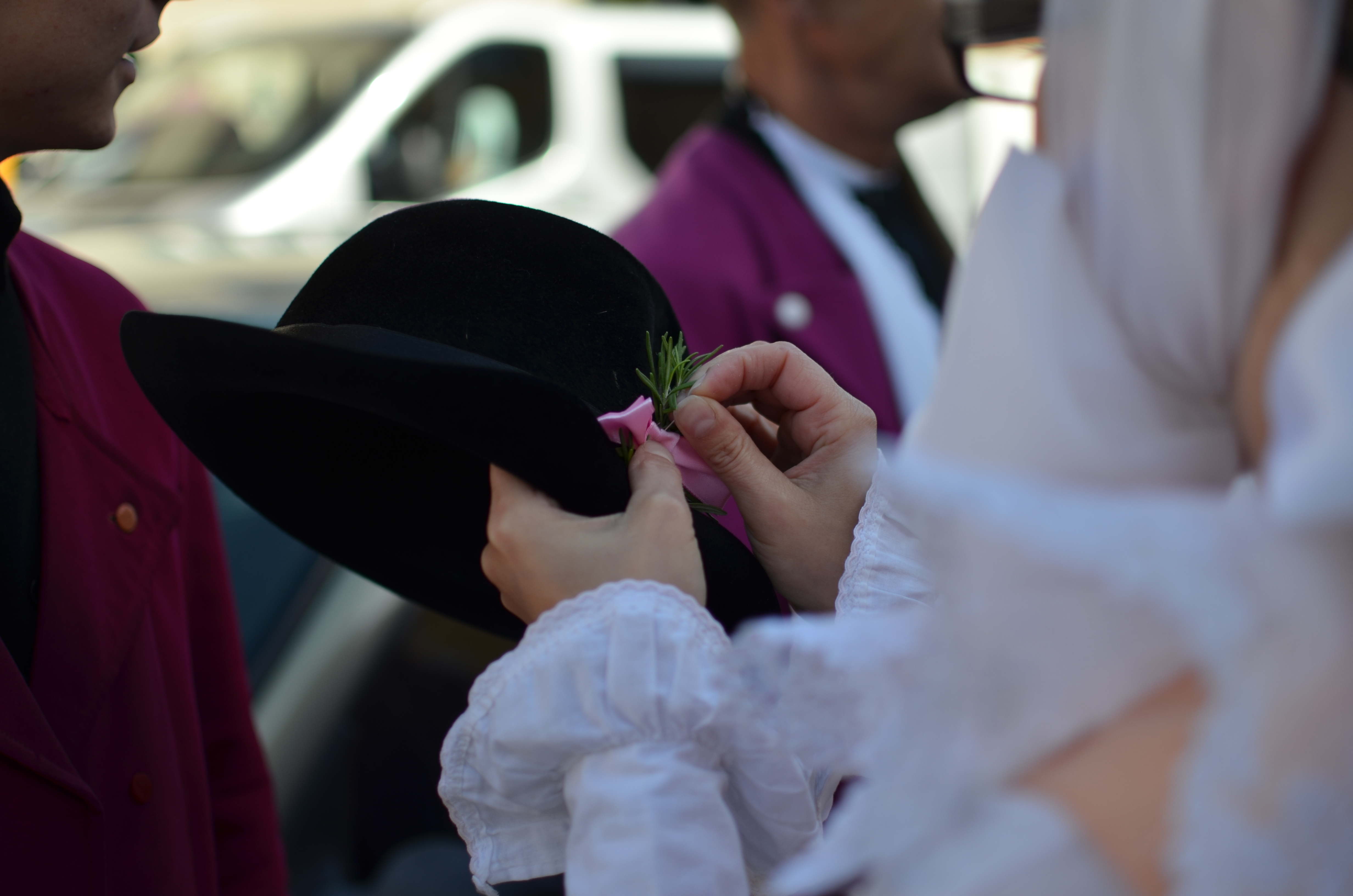
It started with swaty, then the śrendziny or engagement ceremony took place, and then the zapowiedzi were made. In Biskupizna, every Sunday when they were announced, the bride would wear a skirt of a different color. The groom was distinguished by a green ribbon on his hat, trimmed with rosemary. After the zapowiedzi, the guests were personally invited.
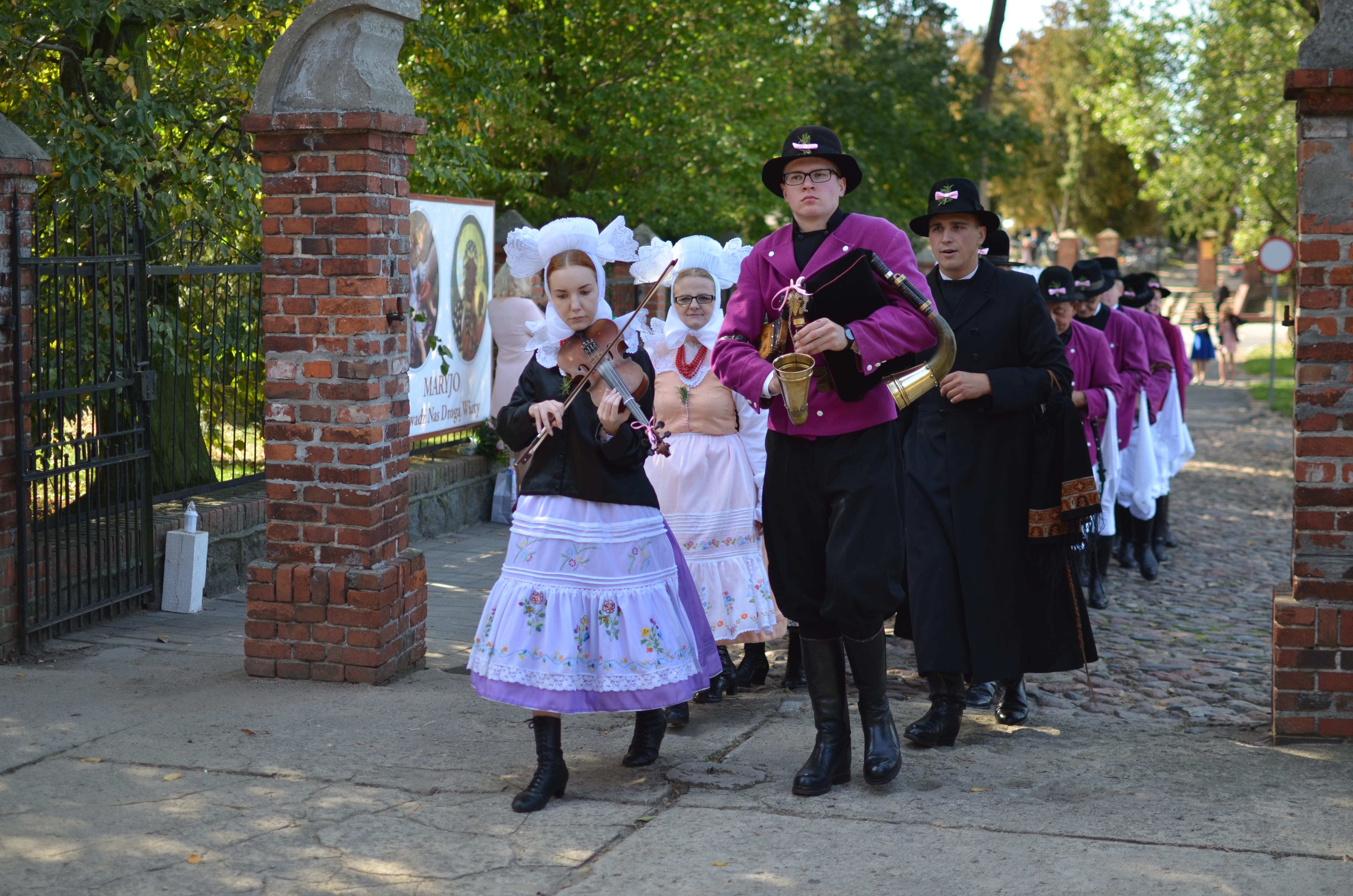
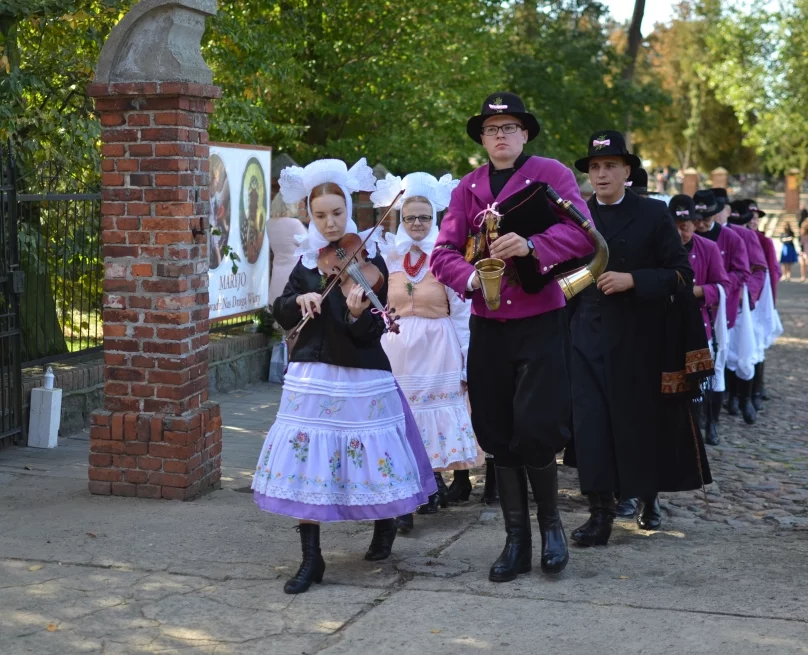
Multi-day weddings usually began at the beginning or middle of the week. On the wedding day, guests arrived at the bride's house and the parents blessed the newlyweds. A wedding procession was formed and accompanied by the sounds of bagpipes and violins, proceeded to the church. On the way back, the procession was stopped by children and young people, to whom the best man handed over the ransom. Upon arrival, the newlyweds were greeted with bread and salt. A special platform was set up in the corner of the room for the musicians. Women sat on benches along the walls. The dances were characterized by a specific order: wiwat, przodek, równy and subsequent dances.
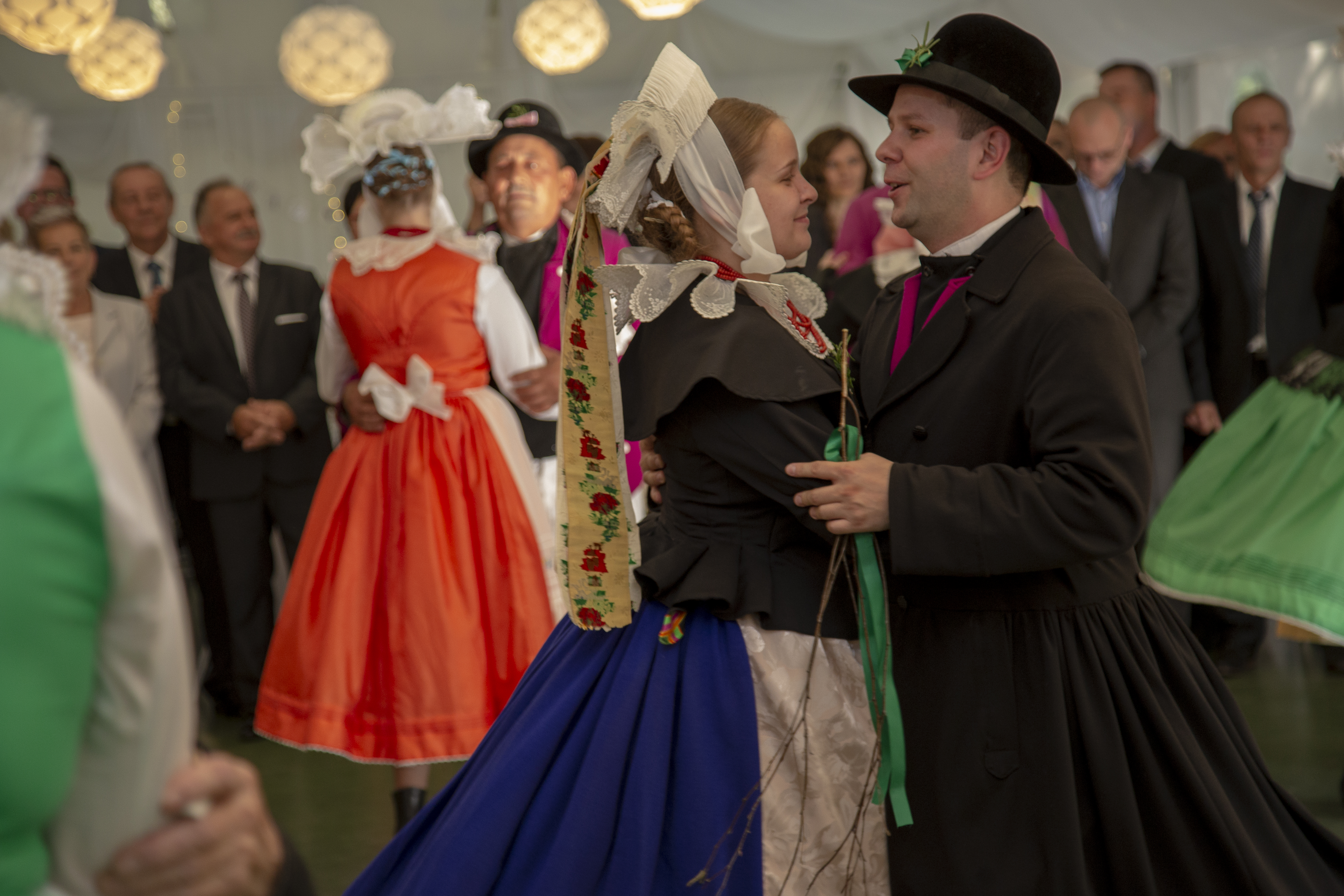
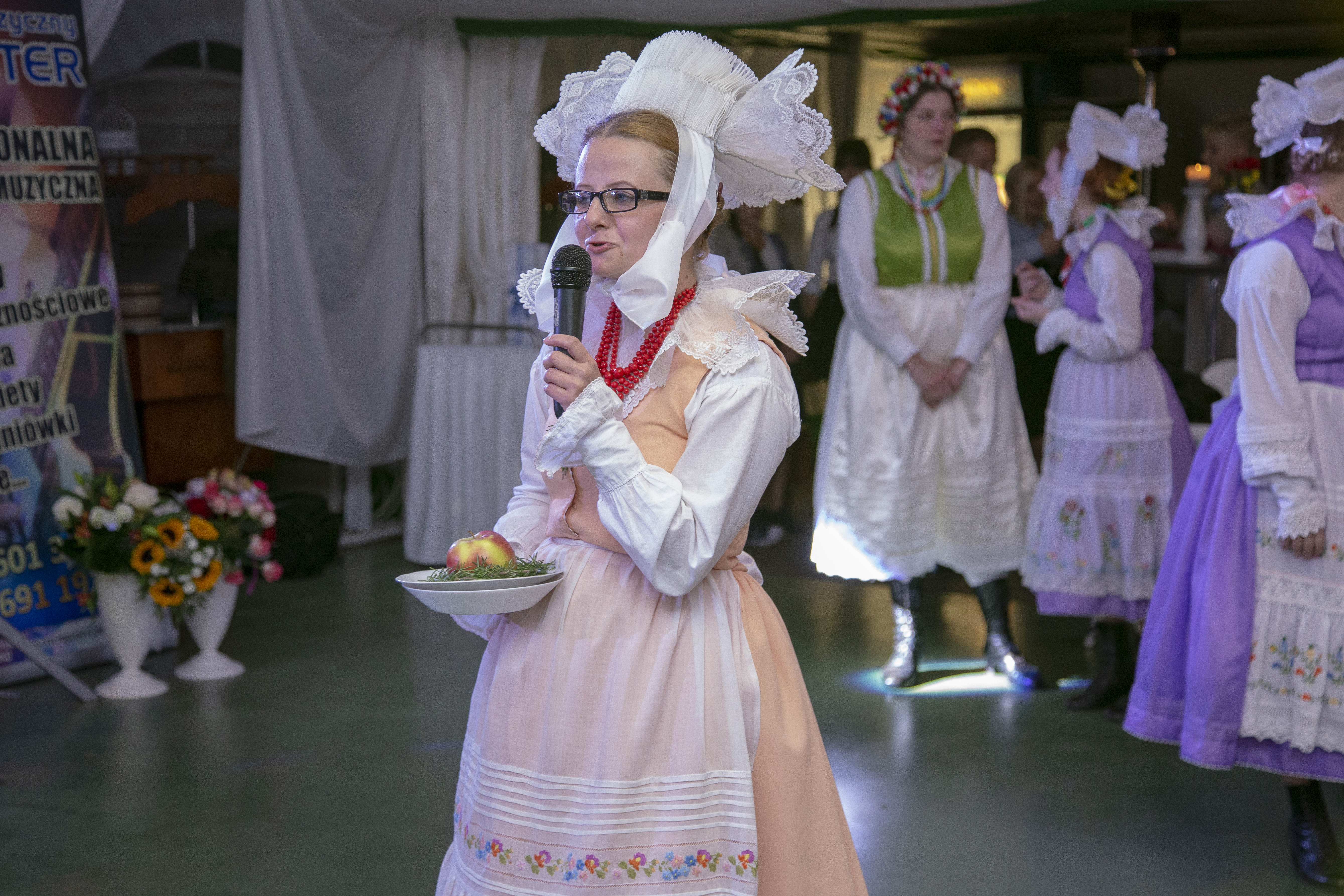
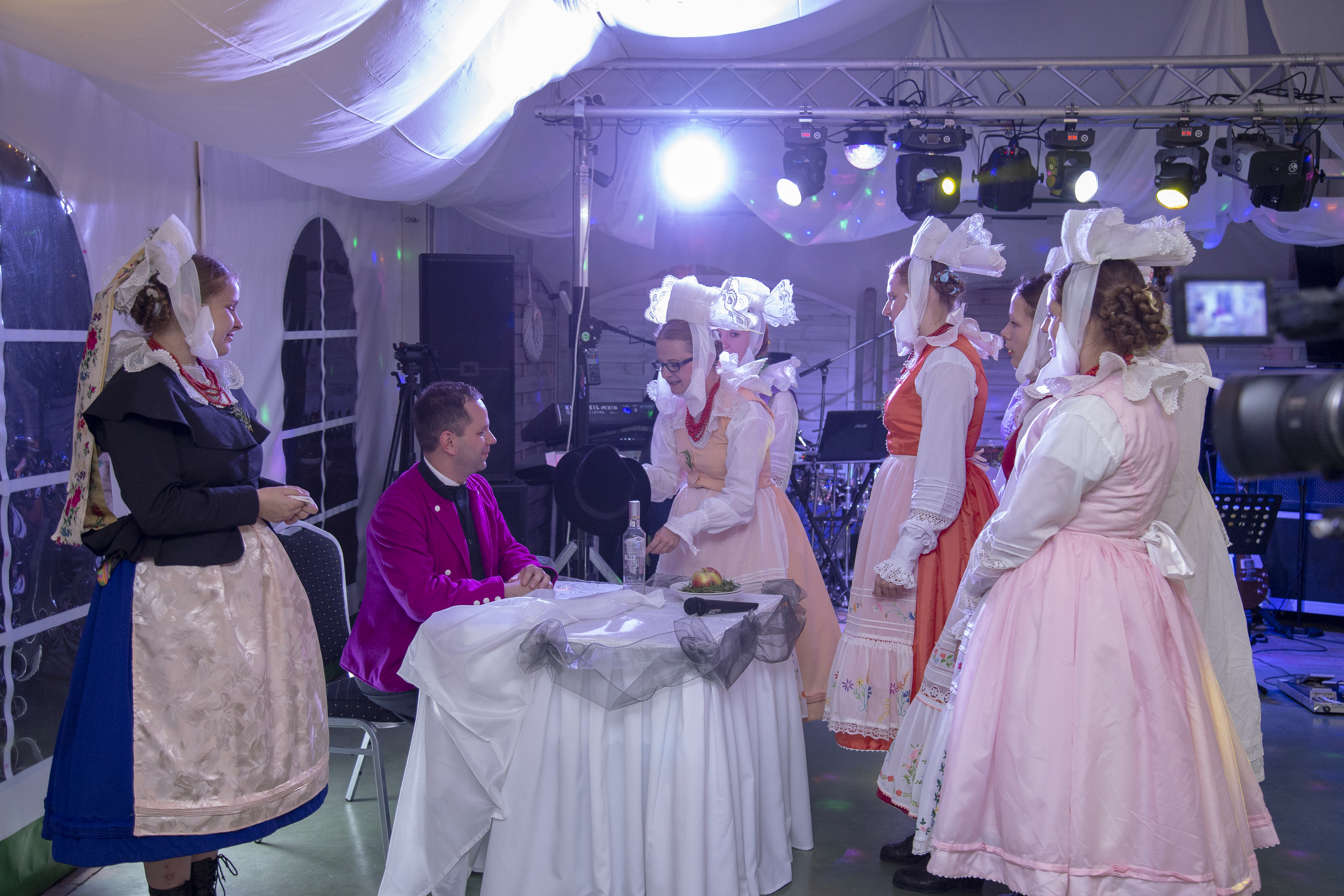
After midnight, one of the key stages of the ritual began: oczepiny ceremony. The hostess, who was to put the bonnet on the bride, collected for the bonnet, and handed a plate with an apple garnished with rosemary to the groom and other guests, accompanied by songs. The best man asked the bride to the last maiden dance, the service before the bonnet began - the bridesmaids and groomsmen danced in a low bow. The hostess tried to bribe the best man to give up the bride. She, in turn, tried to escape into a chamber, where she donned a bonnet. Before she could join her husband, a false bride was presented to him. Finally, his chosen one was led from the chamber. Everyone was invited to dance the same dance.
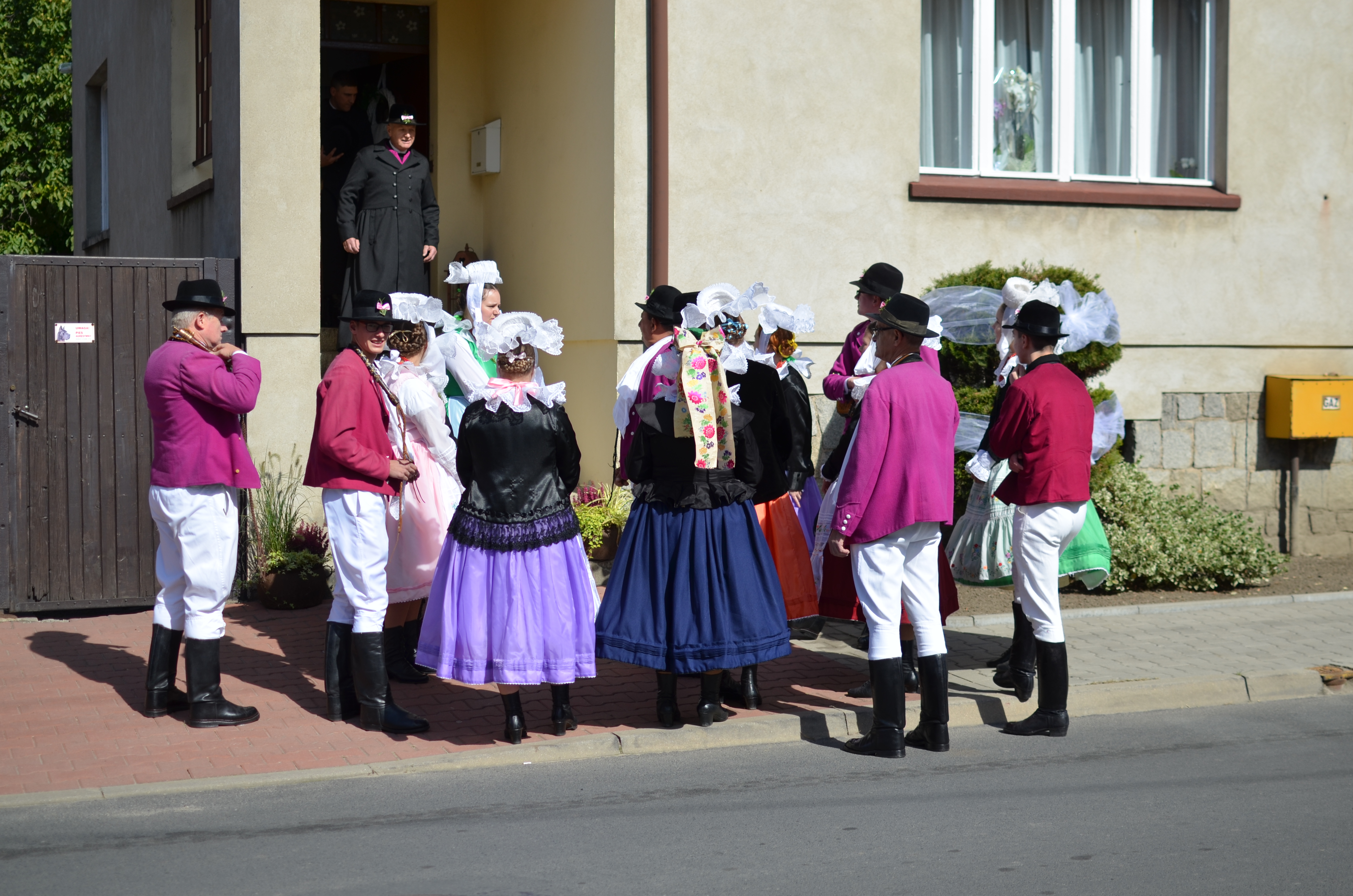
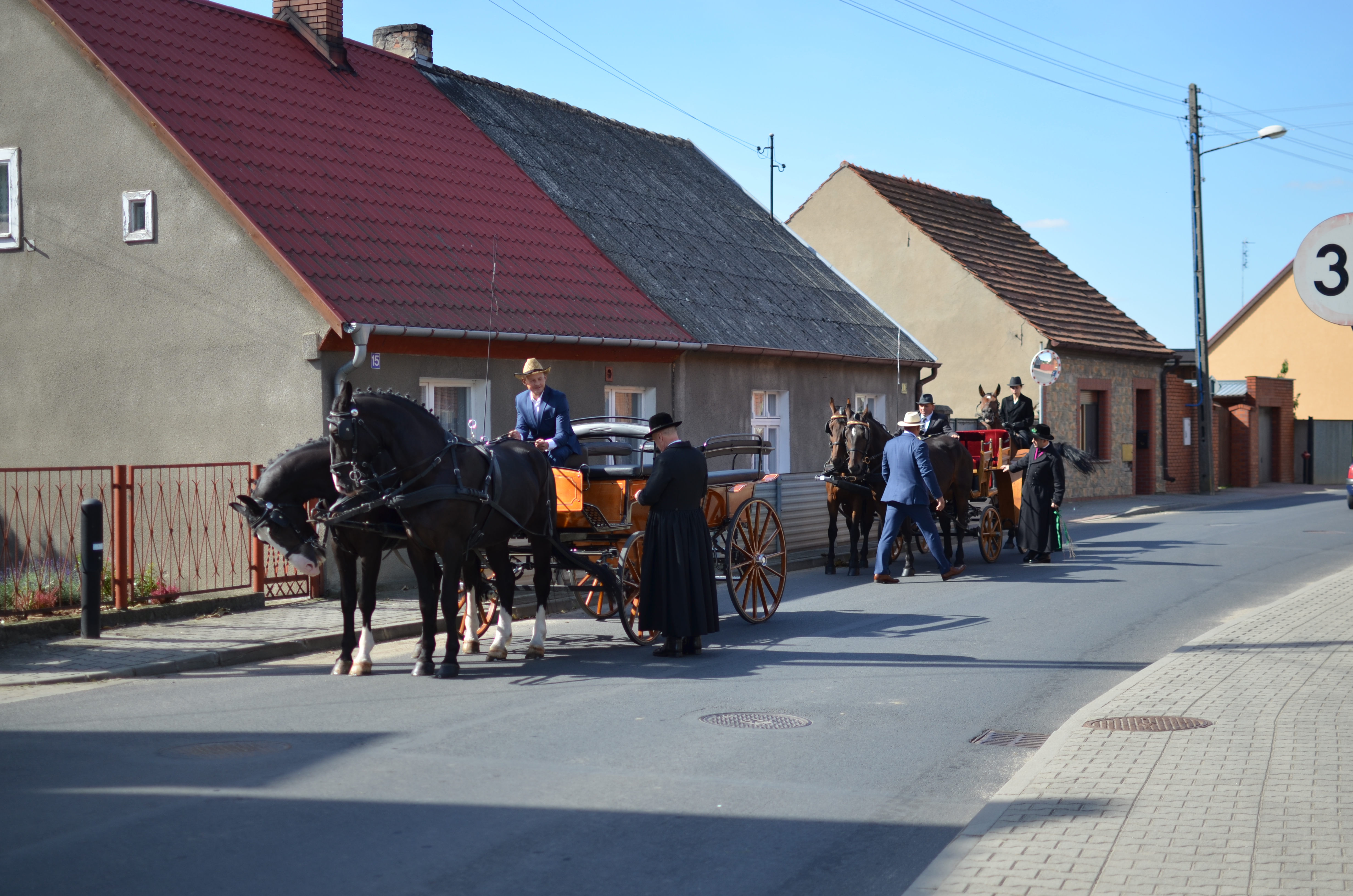
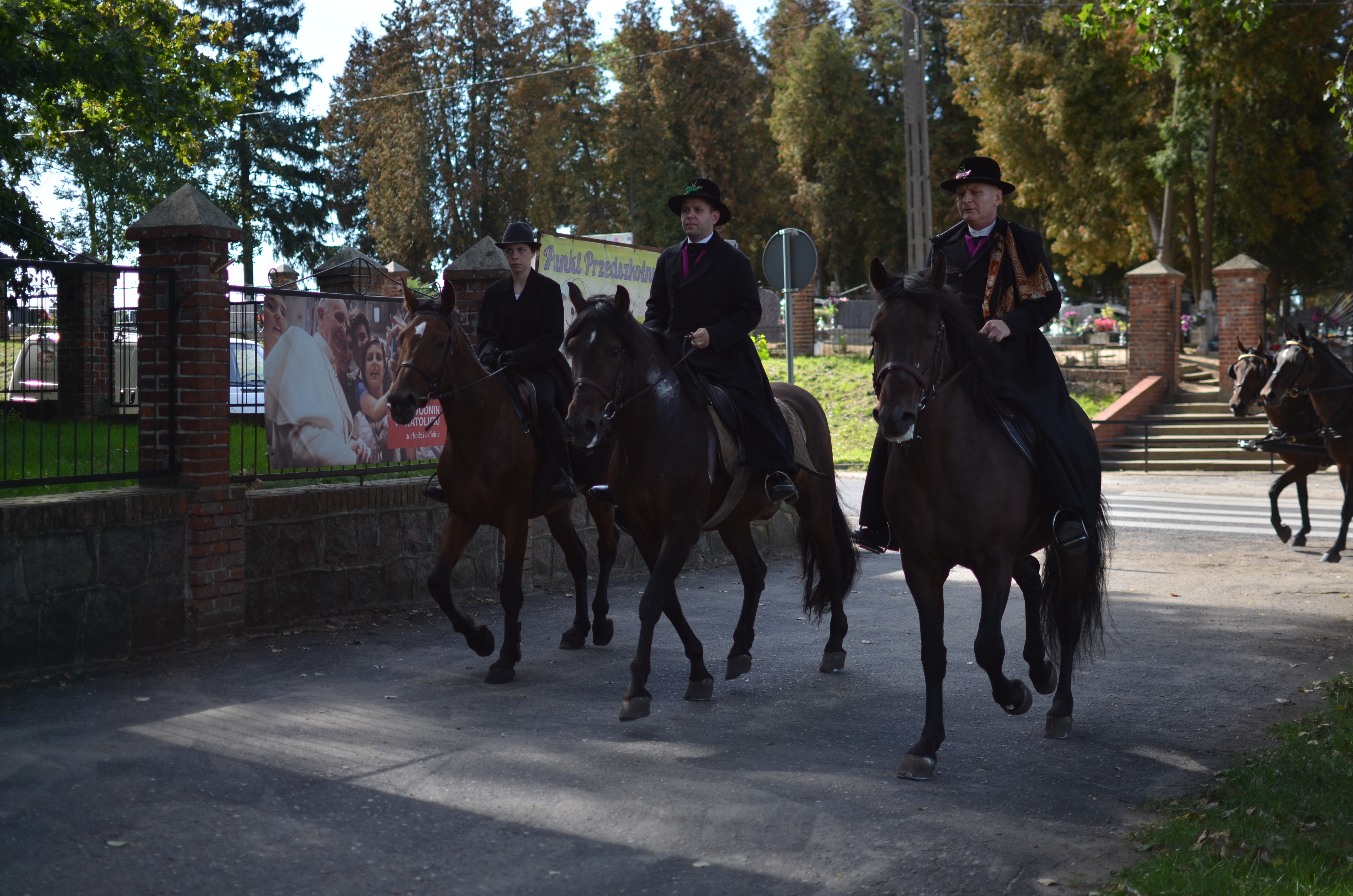
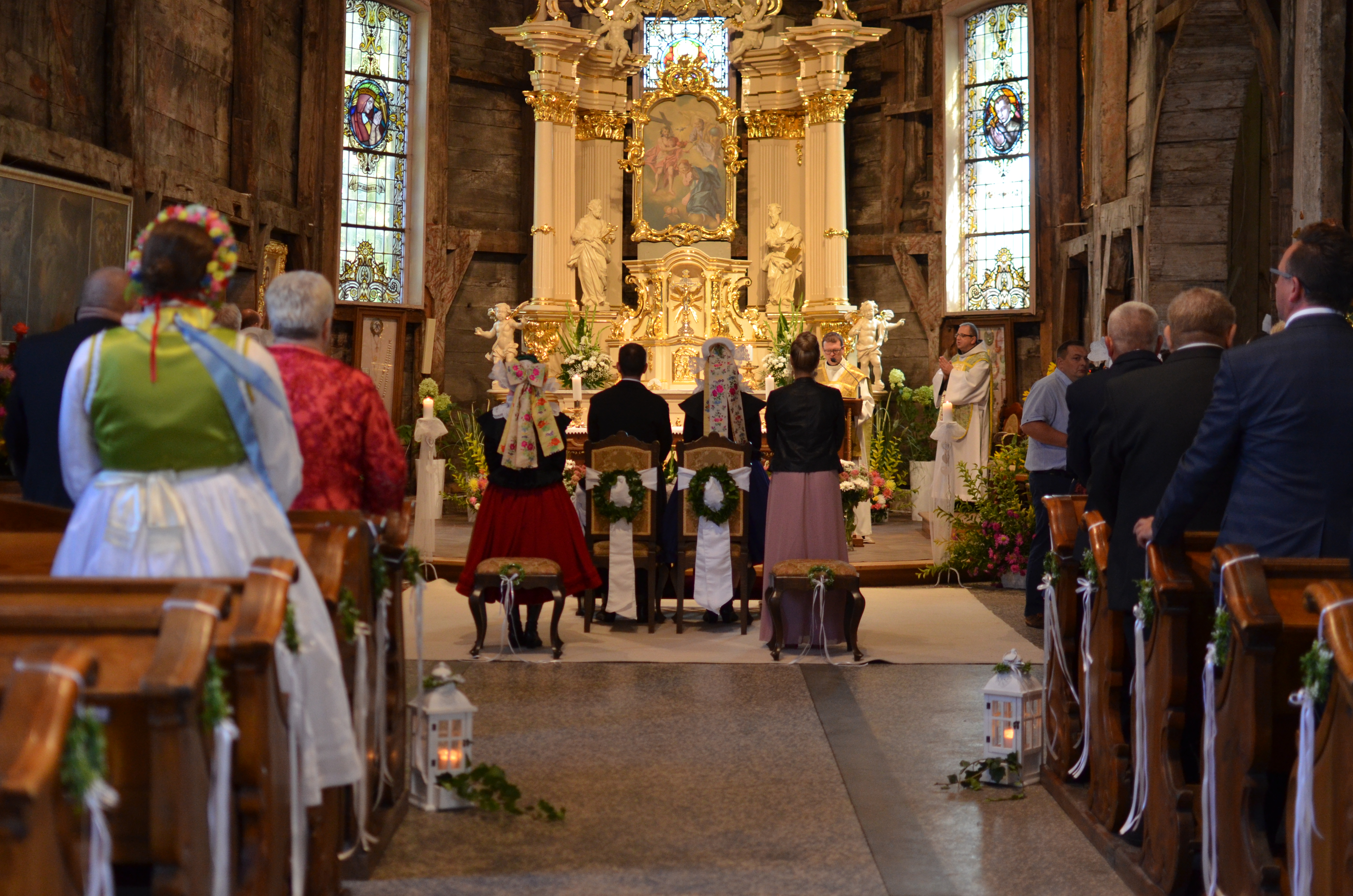
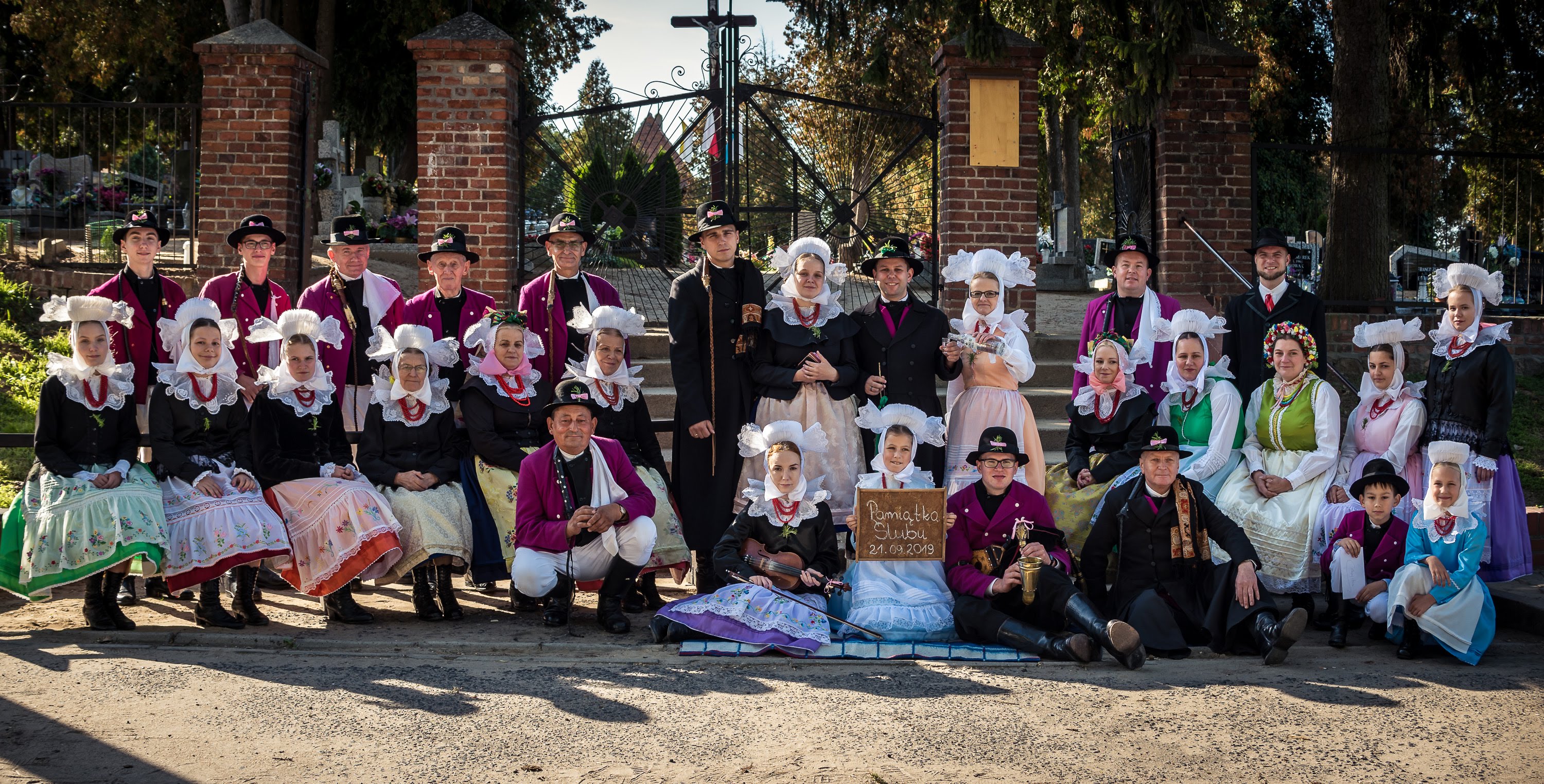
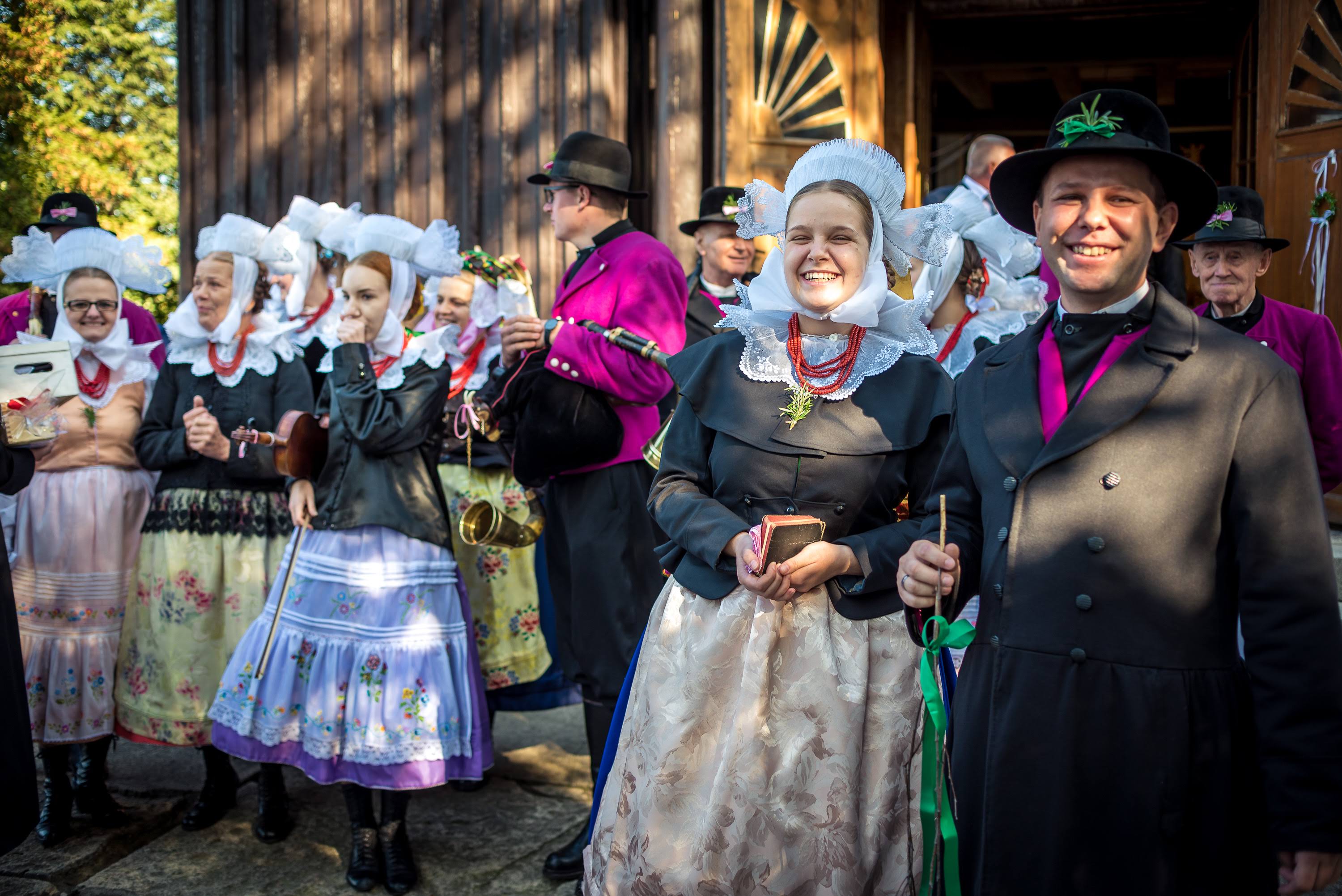
Maria and Krzysztof Polowczyk from the Biskupiański Folkloristic Group from Domachowo and the surrounding area, who got married in 2019, returned to Biskupiański wedding customs. The traditional setting for this important ceremony was a natural choice for them. Guests who were members of the band joined in the proceedings. They wore Biskupiański robes for the wedding, and at the reception, they enjoyed traditional music and songs. They also allowed tradition to resonate in subsequent stages of the ceremony.
It started with swaty, then the śrendziny or engagement ceremony took place, and then the zapowiedzi were made. In Biskupizna, every Sunday when they were announced, the bride would wear a skirt of a different color. The groom was distinguished by a green ribbon on his hat, trimmed with rosemary. After the zapowiedzi, the guests were personally invited.
Multi-day weddings usually began at the beginning or middle of the week. On the wedding day, guests arrived at the bride's house and the parents blessed the newlyweds. A wedding procession was formed and accompanied by the sounds of bagpipes and violins, proceeded to the church. On the way back, the procession was stopped by children and young people, to whom the best man handed over the ransom. Upon arrival, the newlyweds were greeted with bread and salt. A special platform was set up in the corner of the room for the musicians. Women sat on benches along the walls. The dances were characterized by a specific order: wiwat, przodek, równy and subsequent dances.
After midnight, one of the key stages of the ritual began: oczepiny ceremony. The hostess, who was to put the bonnet on the bride, collected for the bonnet, and handed a plate with an apple garnished with rosemary to the groom and other guests, accompanied by songs. The best man asked the bride to the last maiden dance, the service before the bonnet began - the bridesmaids and groomsmen danced in a low bow. The hostess tried to bribe the best man to give up the bride. She, in turn, tried to escape into a chamber, where she donned a bonnet. Before she could join her husband, a false bride was presented to him. Finally, his chosen one was led from the chamber. Everyone was invited to dance the same dance.
Maria and Krzysztof Polowczyk from the Biskupiański Folkloristic Group from Domachowo and the surrounding area, who got married in 2019, returned to Biskupiański wedding customs. The traditional setting for this important ceremony was a natural choice for them. Guests who were members of the band joined in the proceedings. They wore Biskupiański robes for the wedding, and at the reception, they enjoyed traditional music and songs. They also allowed tradition to resonate in subsequent stages of the ceremony.
11
photos