Welcoming spring in Domachowo
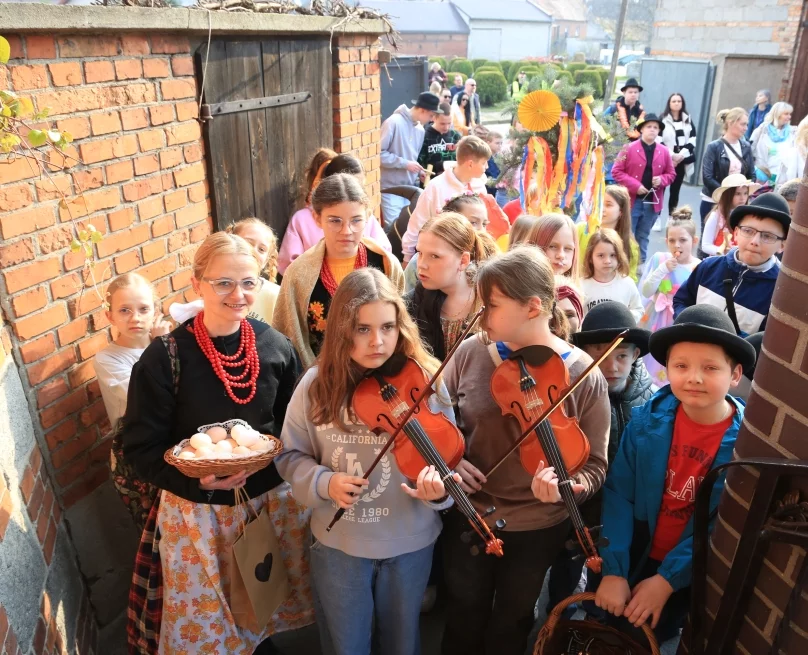
Burning śmiercicha and carrying nowe lotko are customs long known in south - western Greater Poland. They were recalled during the spring welcome in Domachowo.
Information about the ritual of drowning or burning Marzanna appears in sources from the 15th century. Śmiercicha was celebrated for the longest time in the area of Zaborówiec. According to a description from the 1930s, this annual practice took place on the Saturday preceding Lenten Sunday (Latin: Laetare), also known as the Sunday of Lent. The children made a several-meter-long effigy from a pine pole, to which juniper branches were tied, and then covered with straw and reeds. In the evening it was carried around the village on poles. Children with torches shouted: "śmiercicha from the village, nowe lotko to the village!" It was carried outside the village, to a nearby hill, where it was placed vertically and propped up with pegs. The boys lit their torches and then śmiercicha. The flames rising upwards created a spectacular pillar of fire. In nearby towns (Potrzebowo, Radomyśl, Wijewo, Brenno, Miastko, Górsko) pyres were also lit. Over time, the custom was reduced to lighting bonfires. The next day, children would bring a nowe lotko into the village.
The custom of burning and drowning a straw effigy of Marzanna on the first day of spring was popularized in schools during the communist era. This forgotten tradition has been revisited in Biskupizna.
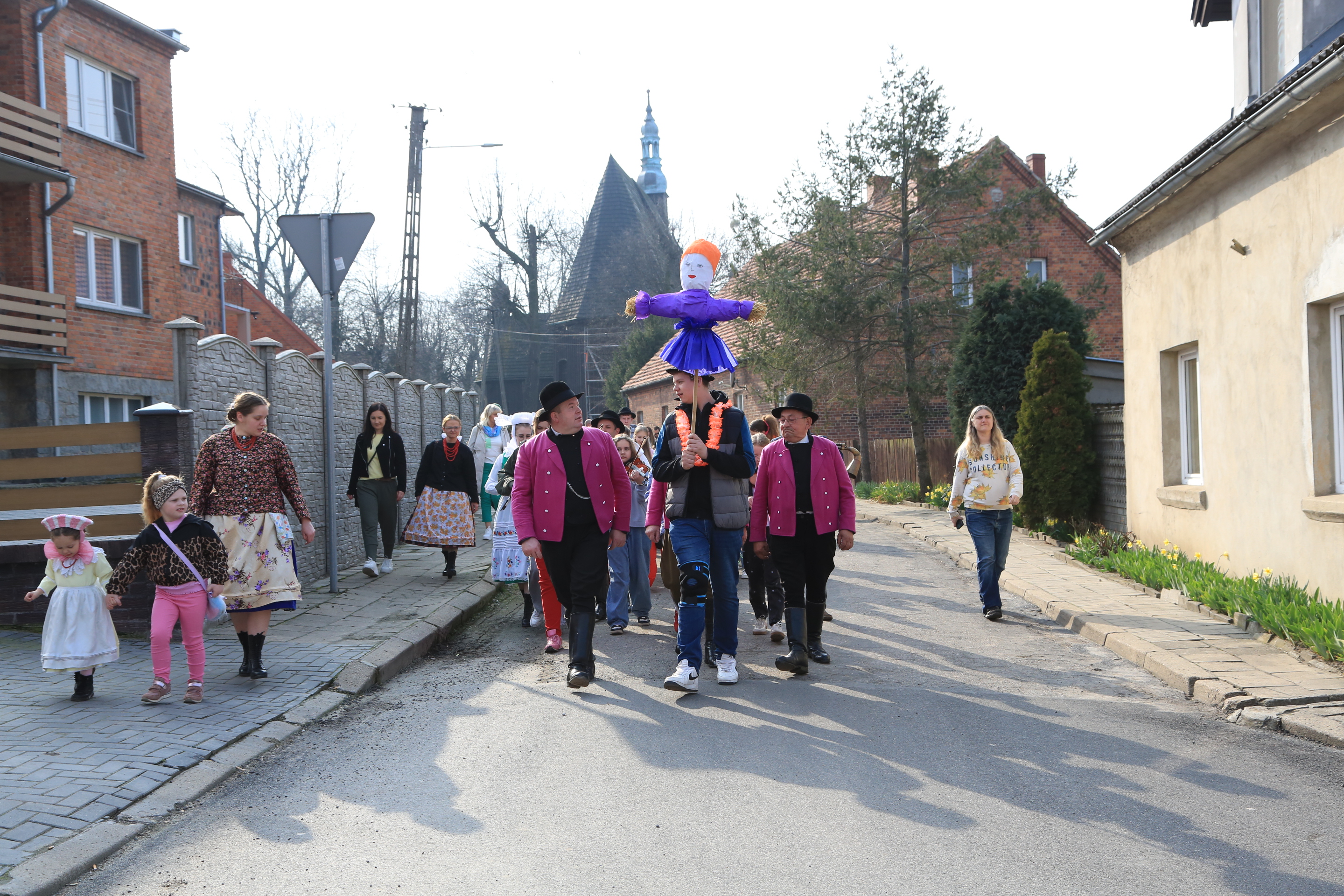
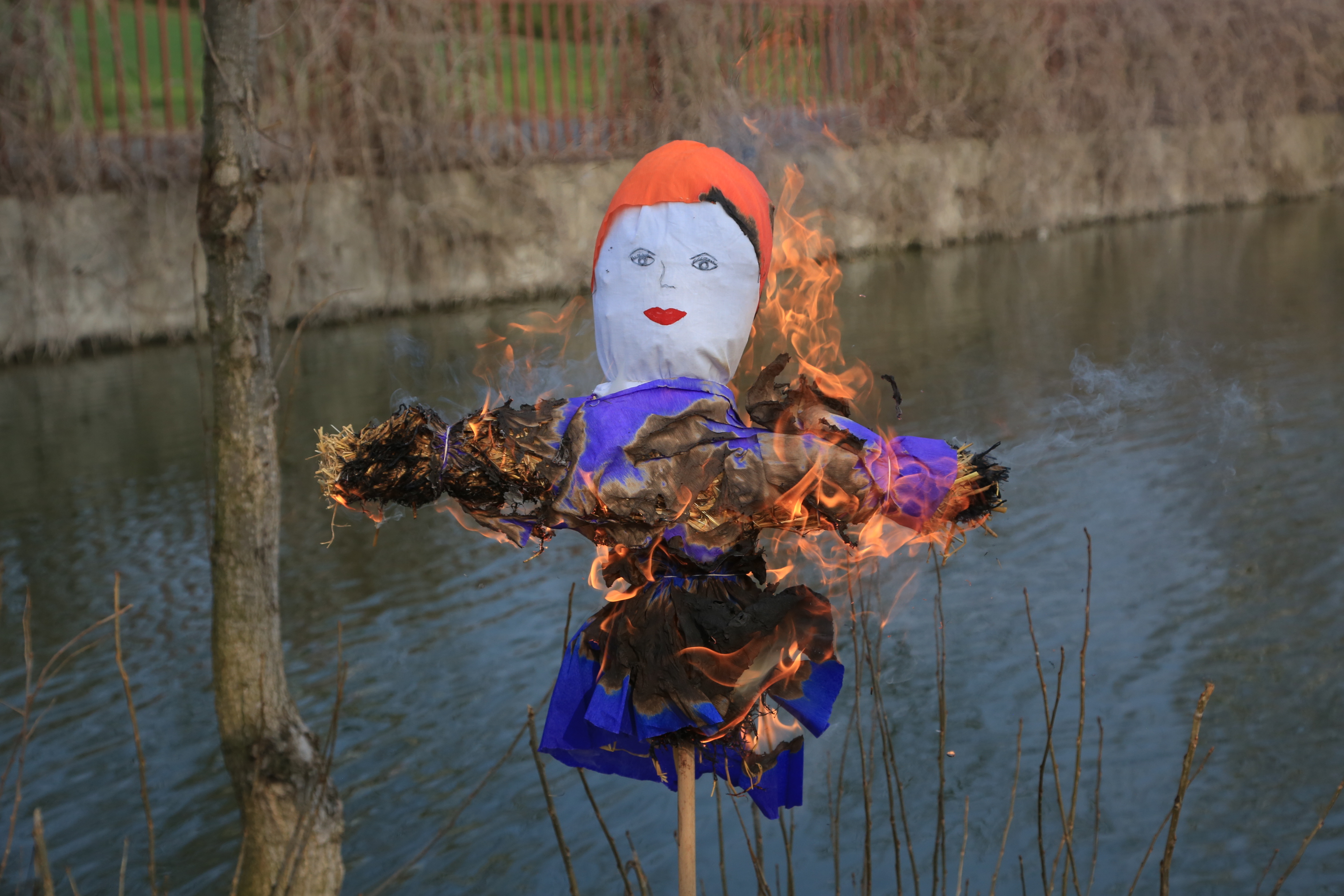
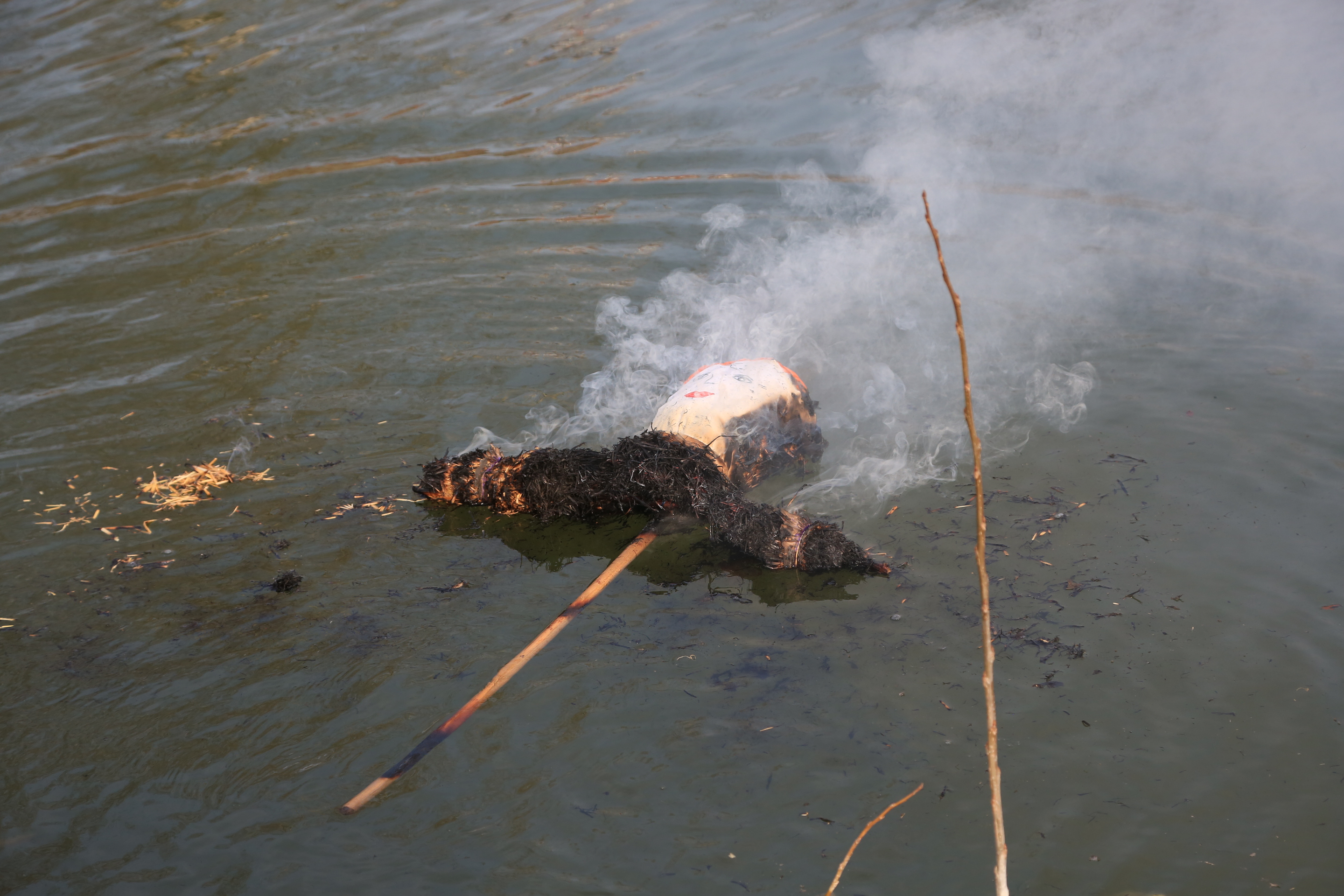
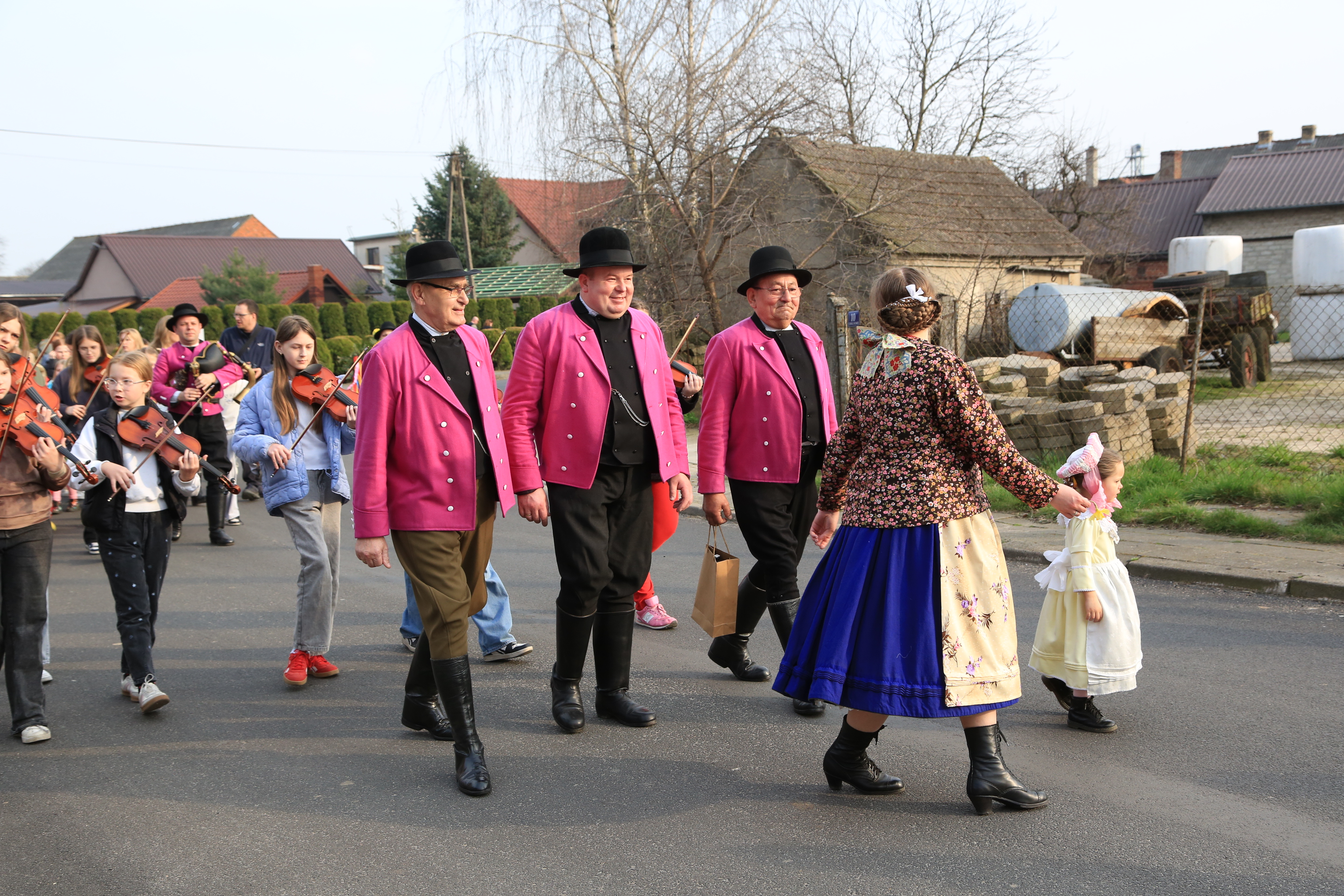
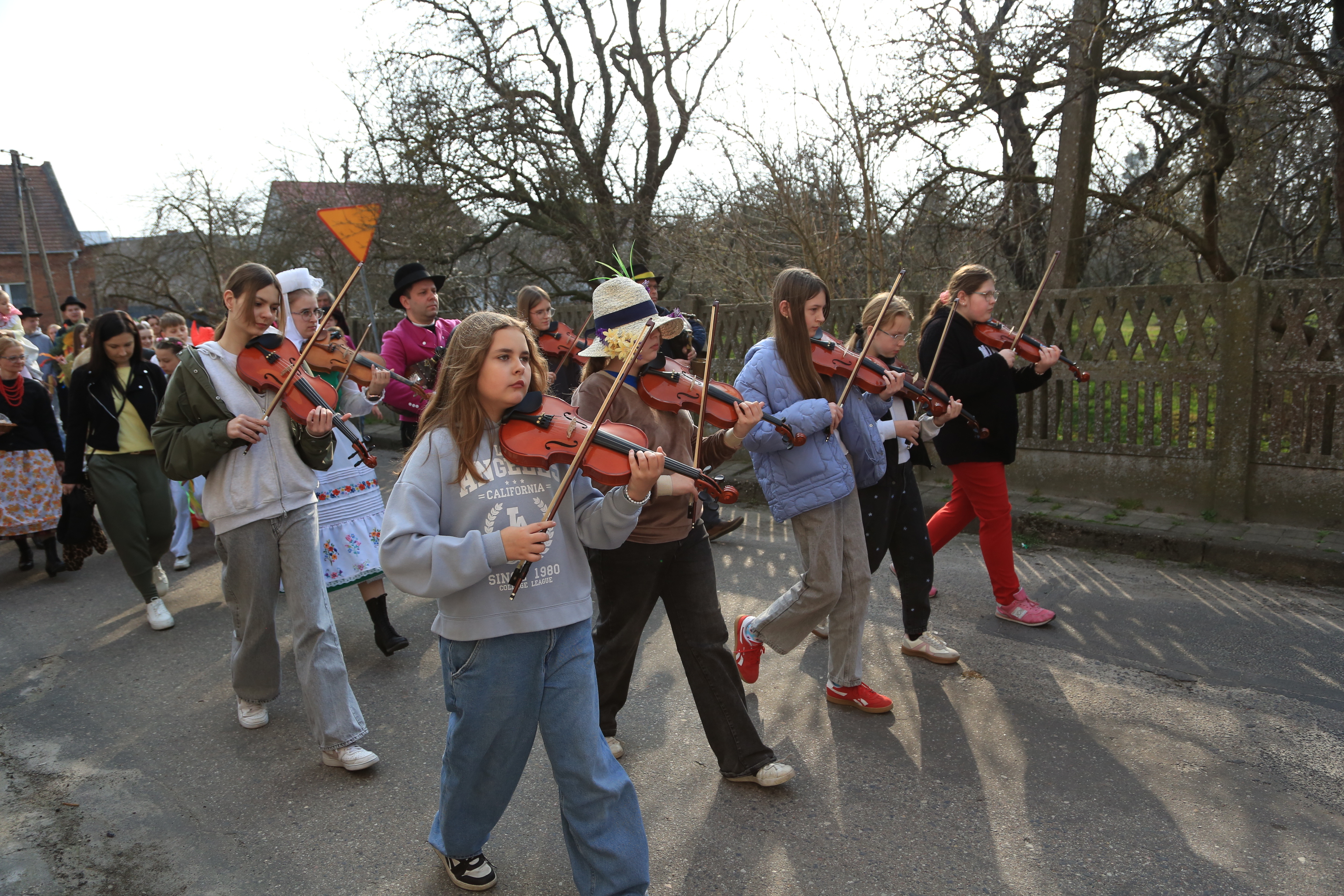
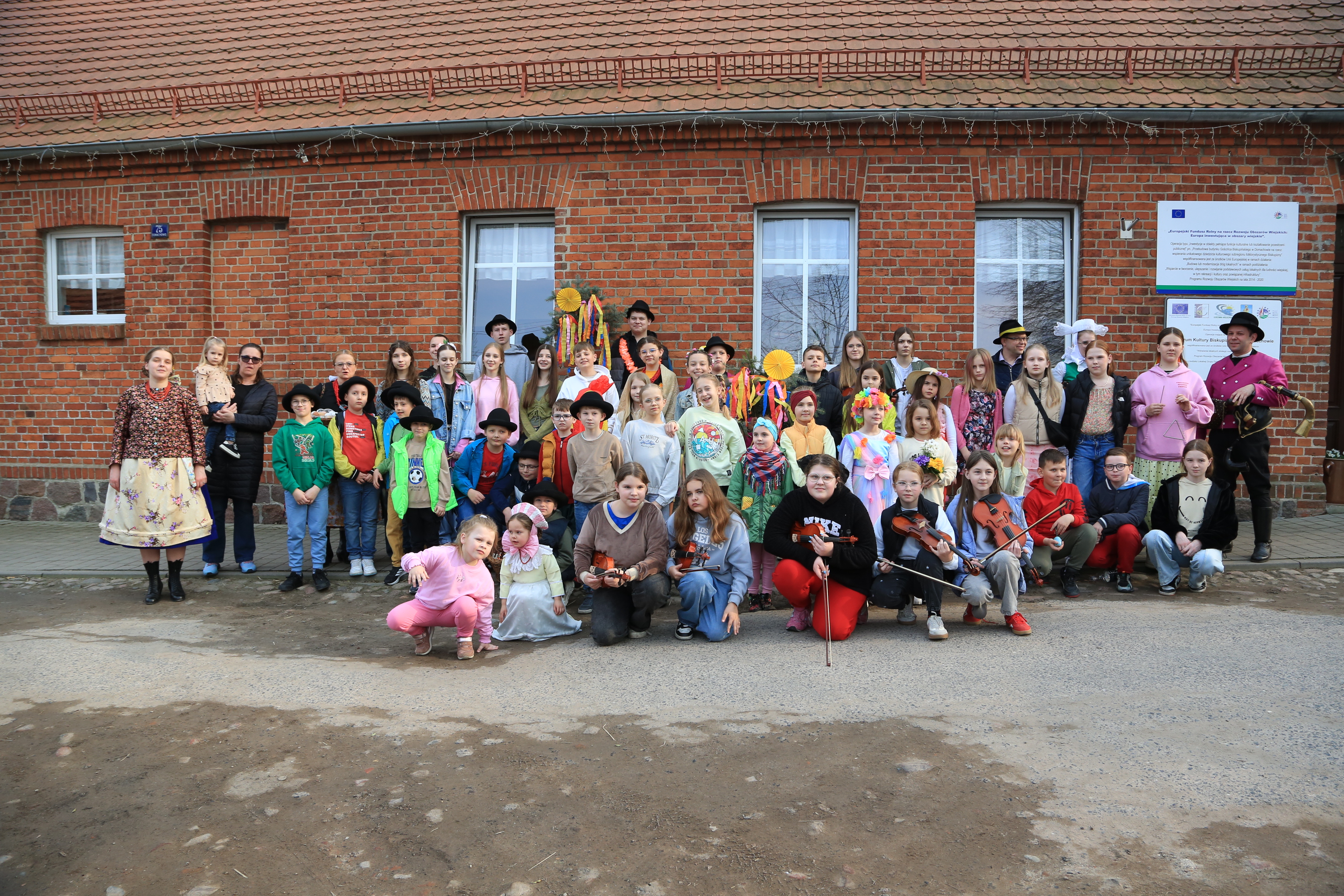
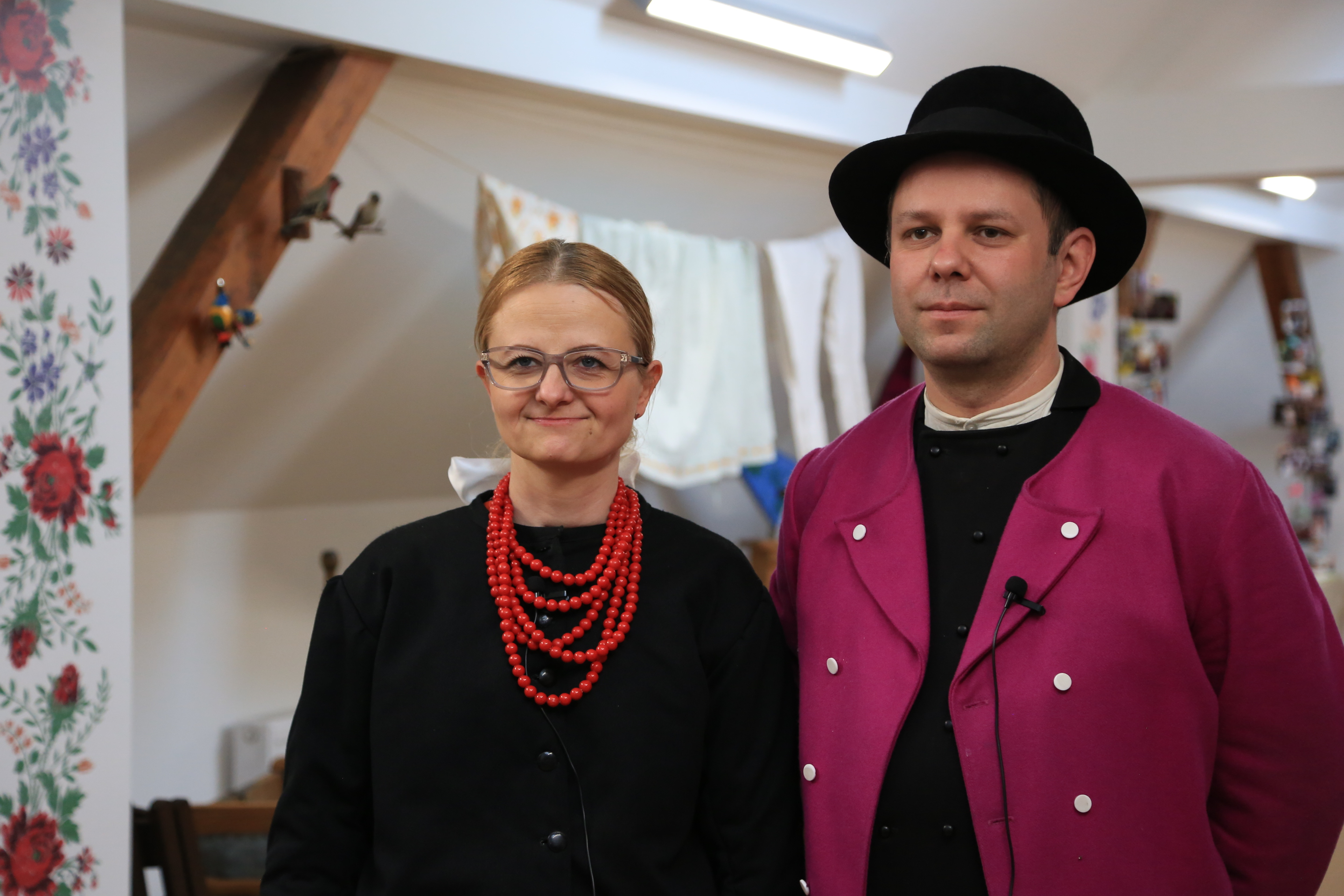
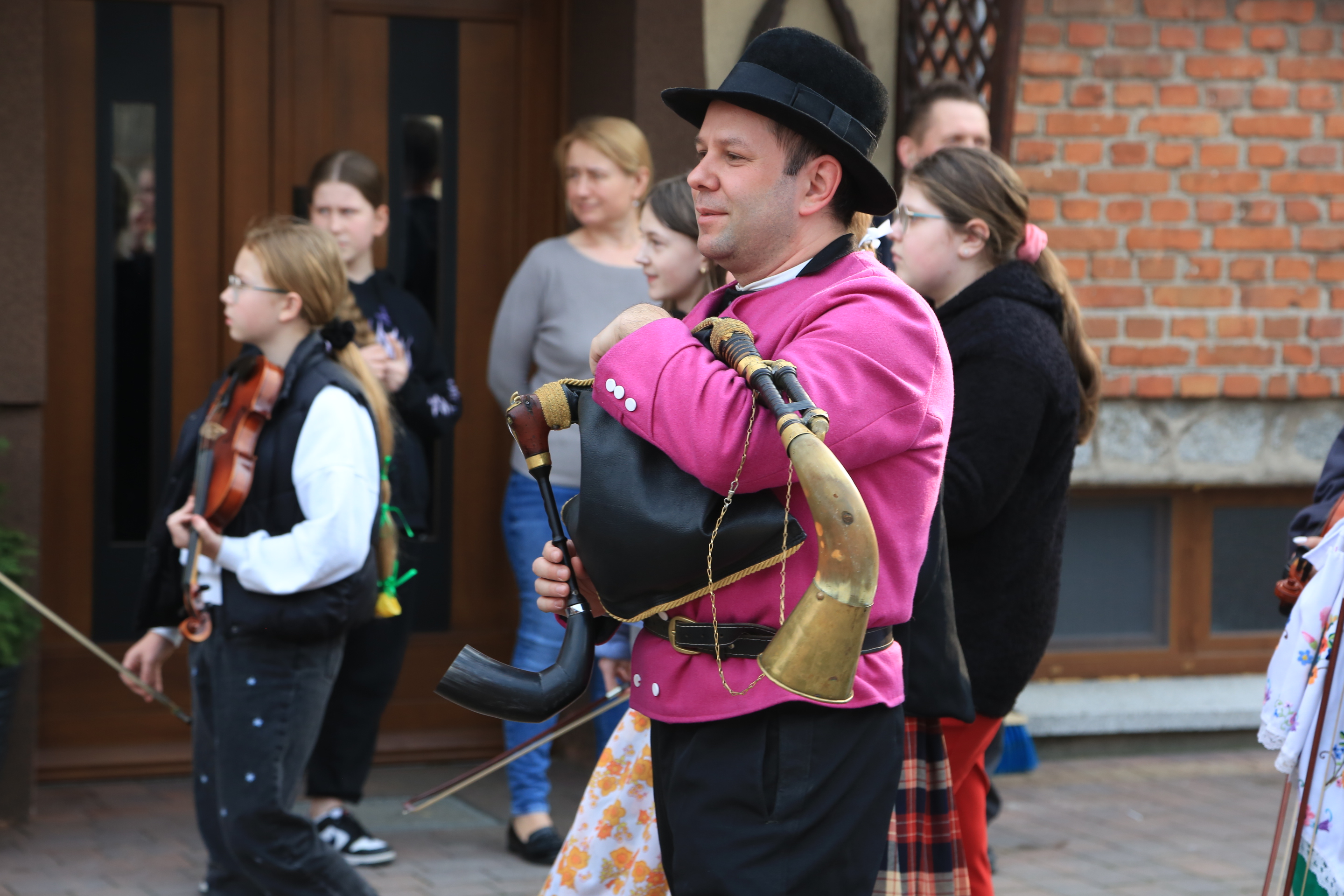
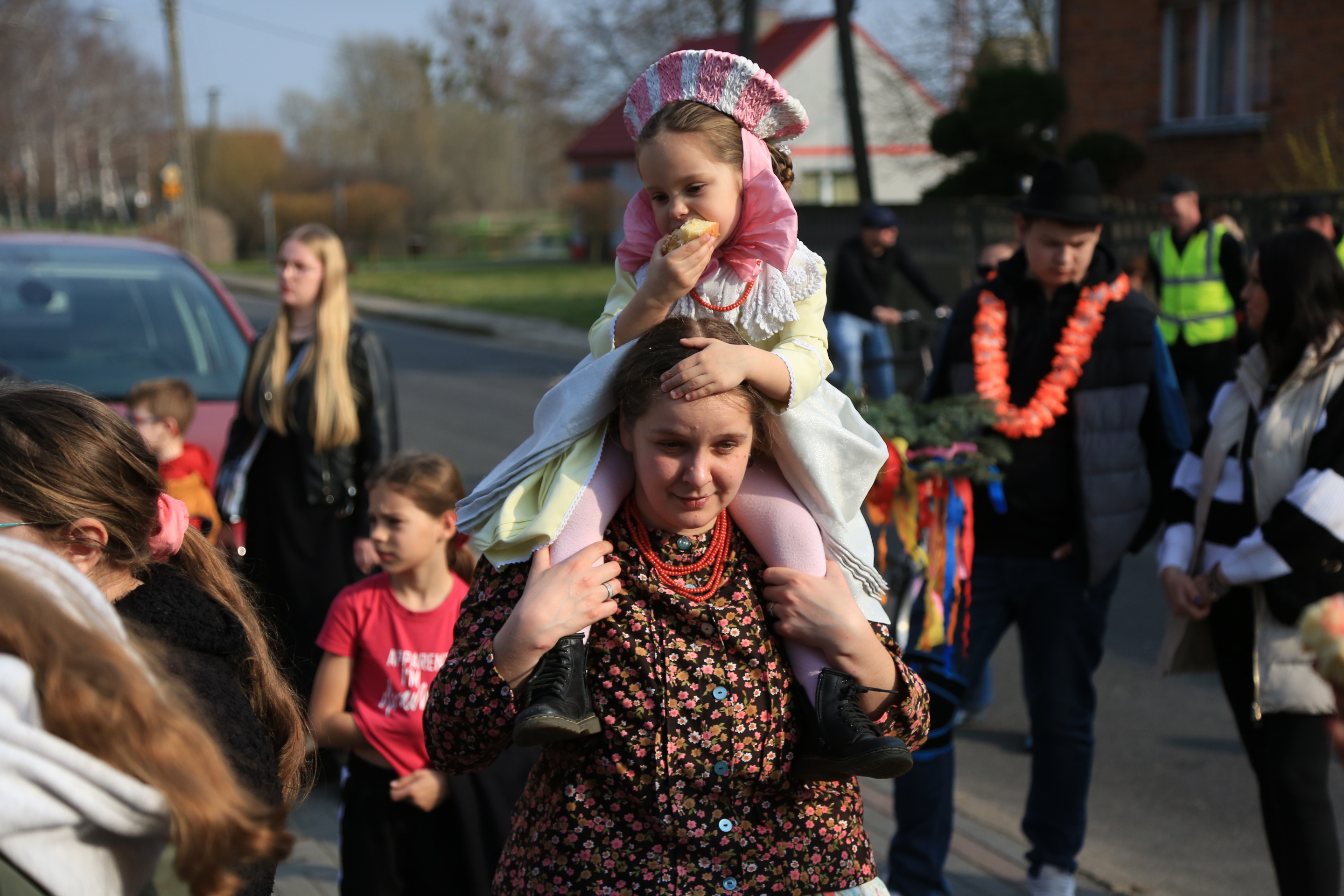
On Saturday afternoon, a "Welcoming Spring" event was organized in Domachowo. A procession composed of children, members of the Biskupiański Folkloristic Group from Domachowo and the surrounding area, and residents of Domachowo, passed through the village to revive customs associated with the arrival of spring. He was accompanied by music from Biskupin – bagpipes and a tied violin. Some of the participants were dressed in Biskupin costumes (band members), some of the children wore colorful costumes, wreaths and hats, and other attributes of spring. They set off from Biskupiański Gościniec with an effigy of śmiercicha, made of straw and elements of a woman's clothing made of tissue paper, which was carried by boys. The procession was accompanied by shouts of "śmiercicha from the village, nowe lotko to the village!" At the pond, an effigy personifying winter was set on fire and then thrown into the water.
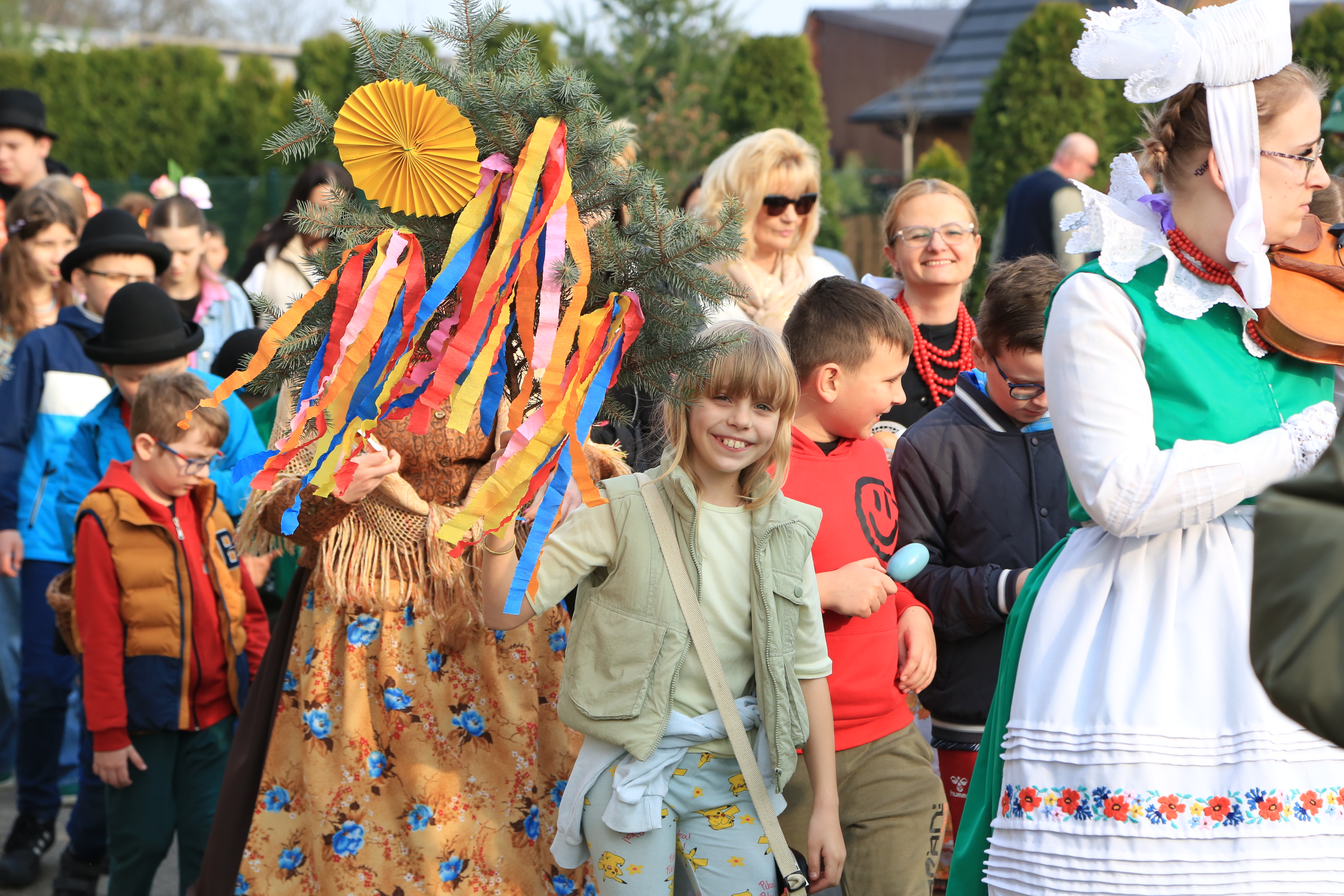
After drowning śmiercicha, the children grabbed a nowe lotko, a pine branch decorated with tissue paper ribbons and a yellow moon/sun on top. The nowe lotko is a symbol of the coming spring. The song was sung:
The green grove is beautifully decorated
He walks around the village because that's what he wants
Let him walk, let him walk, watch the wheat grow…
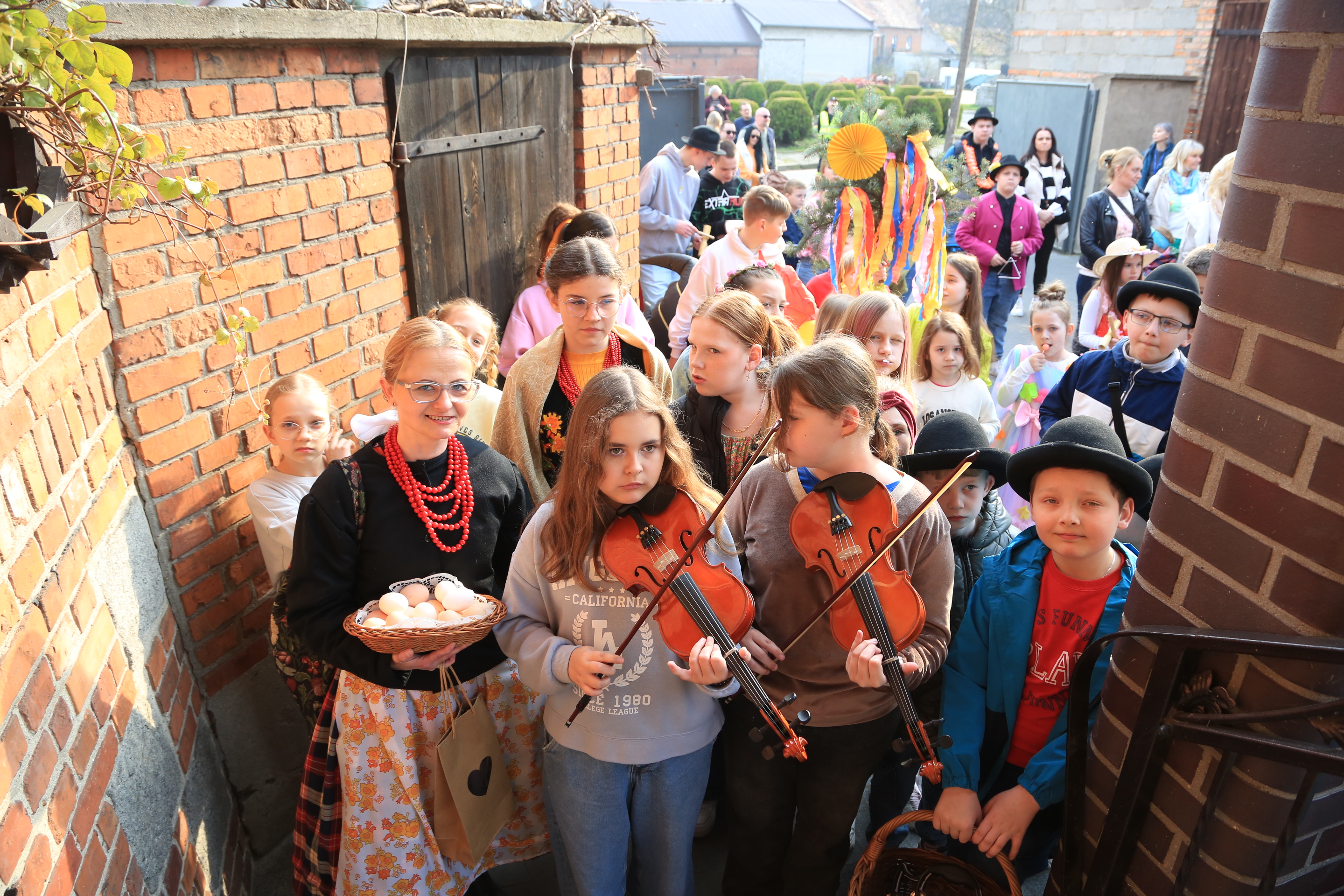
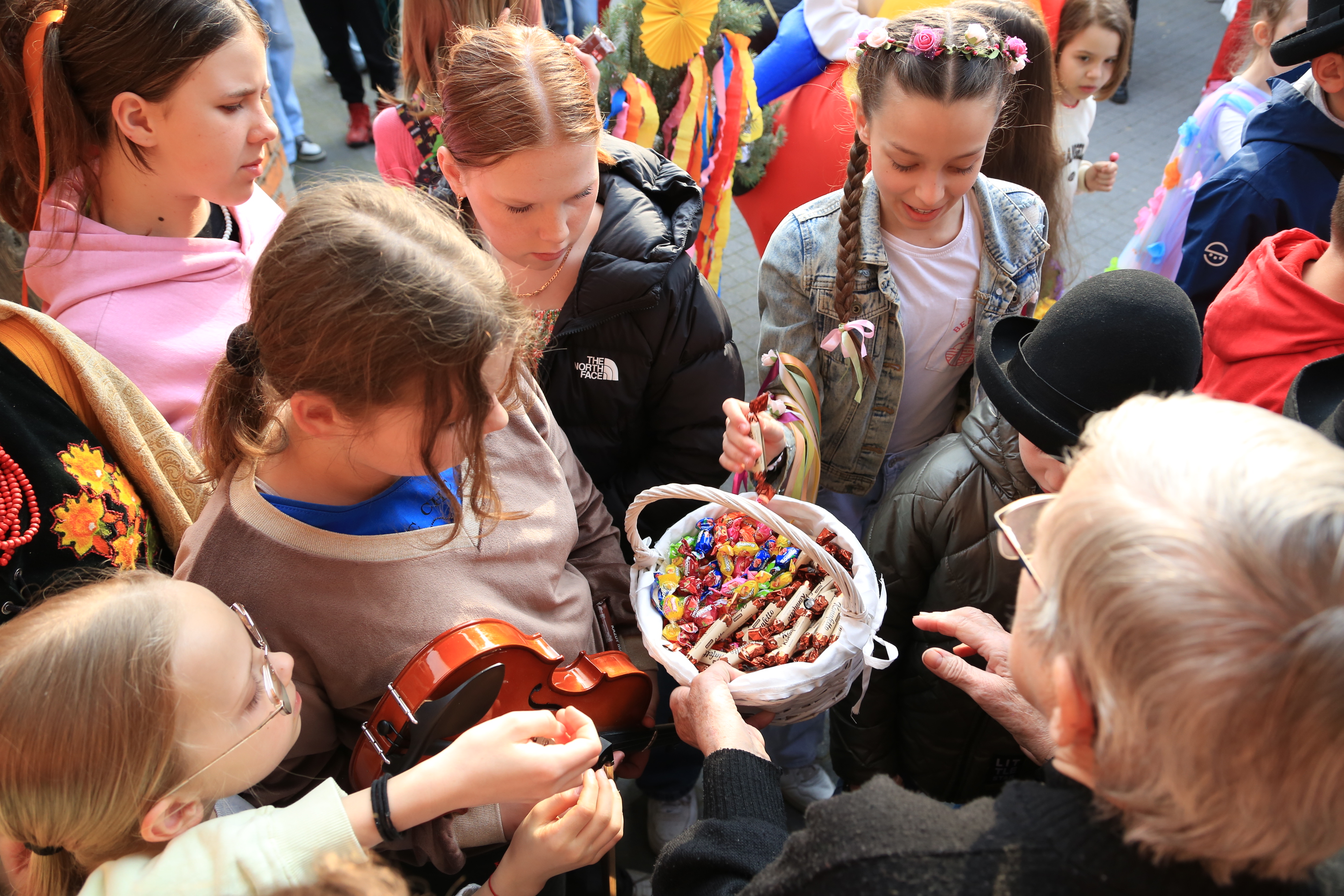
The procession then set off through the village, visiting selected farmsteads. Upon arrival, the hosts were greeted with "Praised be Jesus Christ", then a song was sung, ending with a request for gifts: Mrs. hostess, there is a nowe lotko in the garden, if you want to see it, you must give something, an egg, a hen, you will get a pretty daughter. The hosts provided the guests with refreshments prepared for the occasion. The children received sweets and traditional eggs in their baskets. Residents joined the group carrying the nowe lotko or watched with interest. The event culminated in a communal feast at the Biskupiański Gościniec.
Information about the ritual of drowning or burning Marzanna appears in sources from the 15th century. Śmiercicha was celebrated for the longest time in the area of Zaborówiec. According to a description from the 1930s, this annual practice took place on the Saturday preceding Lenten Sunday (Latin: Laetare), also known as the Sunday of Lent. The children made a several-meter-long effigy from a pine pole, to which juniper branches were tied, and then covered with straw and reeds. In the evening it was carried around the village on poles. Children with torches shouted: "śmiercicha from the village, nowe lotko to the village!" It was carried outside the village, to a nearby hill, where it was placed vertically and propped up with pegs. The boys lit their torches and then śmiercicha. The flames rising upwards created a spectacular pillar of fire. In nearby towns (Potrzebowo, Radomyśl, Wijewo, Brenno, Miastko, Górsko) pyres were also lit. Over time, the custom was reduced to lighting bonfires. The next day, children would bring a nowe lotko into the village.
The custom of burning and drowning a straw effigy of Marzanna on the first day of spring was popularized in schools during the communist era. This forgotten tradition has been revisited in Biskupizna.
On Saturday afternoon, a "Welcoming Spring" event was organized in Domachowo. A procession composed of children, members of the Biskupiański Folkloristic Group from Domachowo and the surrounding area, and residents of Domachowo, passed through the village to revive customs associated with the arrival of spring. He was accompanied by music from Biskupin – bagpipes and a tied violin. Some of the participants were dressed in Biskupin costumes (band members), some of the children wore colorful costumes, wreaths and hats, and other attributes of spring. They set off from Biskupiański Gościniec with an effigy of śmiercicha, made of straw and elements of a woman's clothing made of tissue paper, which was carried by boys. The procession was accompanied by shouts of "śmiercicha from the village, nowe lotko to the village!" At the pond, an effigy personifying winter was set on fire and then thrown into the water.
After drowning śmiercicha, the children grabbed a nowe lotko, a pine branch decorated with tissue paper ribbons and a yellow moon/sun on top. The nowe lotko is a symbol of the coming spring. The song was sung:
The green grove is beautifully decorated
He walks around the village because that's what he wants
Let him walk, let him walk, watch the wheat grow…
The procession then set off through the village, visiting selected farmsteads. Upon arrival, the hosts were greeted with "Praised be Jesus Christ", then a song was sung, ending with a request for gifts: Mrs. hostess, there is a nowe lotko in the garden, if you want to see it, you must give something, an egg, a hen, you will get a pretty daughter. The hosts provided the guests with refreshments prepared for the occasion. The children received sweets and traditional eggs in their baskets. Residents joined the group carrying the nowe lotko or watched with interest. The event culminated in a communal feast at the Biskupiański Gościniec.
Gallery
16
Photo gallery